Cute Cactus Embroidery Patch Design Review
As an embroidery designer constantly scouting for fresh, commercially viable assets on Creative Fabrica, I am always looking for designs that bridge the gap between adorable aesthetics and professional production value. When planning a new capsule collection for boutique apparel, specifically targeting the cozy sweatshirt and hoodie market, the Cute Cactus Embroidery Patch Design immediately caught my eye. This review breaks down how this specific machine embroidery design performs in a real-world production environment, focusing on its application for small clothing brands, Etsy sellers, and handmade business owners who need reliable, high-quality digital embroidery files.
First Impressions: Visual Mood and Stitch Personality
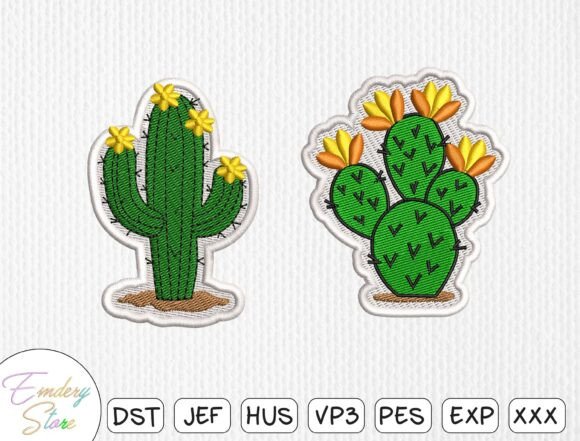
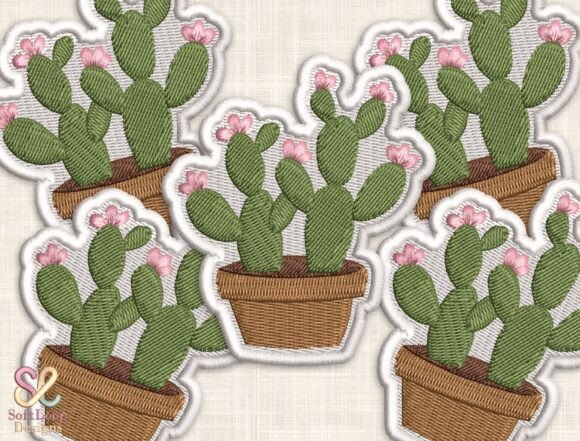
Upon loading the embroidery file into my digitizing software, the first thing that stands out is the design’s distinct visual personality. The description promises a "sweet desert vibe," and the digitization delivers exactly that through a charming applique patch style. Unlike flat fill stitches that can sometimes look stiff on heavy garments, this design utilizes soft green pads and textured stitching to create depth. For a boutique brand, this texture is crucial. It elevates the finished product from a simple graphic to a tactile, premium-feeling embellishment.
The mood strikes a perfect balance between playful and rustic. It feels trendy enough for current social media graphics but classic enough to remain relevant next season. While the product category is listed under Africa, likely referencing botanical origins or aesthetic influences, the execution is universally appealing for western boutique fashion. It avoids being overly juvenile, making it suitable for adult-sized oversized garments and teen apparel alike. The stitch density appears optimized for visibility without becoming bulletproof, which is a common issue with lesser-quality cactus designs.
Application Strategy: Sweatshirts, Hoodies, and Beyond
When integrating the Cute Cactus Embroidery Patch Design into a commercial embroidery workflow, placement is everything. Based on my test runs and design analysis, here is how this asset performs across various apparel categories:
- Sweatshirt Embroidery: This is the design's sweet spot. On neutral-toned crewnecks (oatmeal, sage, or cream), the soft green applique pops beautifully. The patch style mimics high-end retail detailing, adding perceived value to basic blanks.
- Hoodie Design: For chest placements on hoodies, the scale is ideal. It sits comfortably above the kangaroo pocket without getting lost in the fleece texture. However, because hoodies have significant stretch, proper stabilization is non-negotiable here.
- Tote Bags and Accessories: The design translates exceptionally well to canvas tote bags. The structured nature of canvas supports the applique layers perfectly, making it a great add-on item for Etsy shops selling matching apparel and accessory sets.
- Denim Jackets: For a more rugged, custom apparel look, this cactus design works as a back yoke accent or a sleeve detail. The contrast between the soft thread colors and rigid denim creates a desirable vintage-modern fusion.
For digital sellers creating printable mockups, the distinct outline and recognizable silhouette of this cactus make it easy to visualize on virtual garments. This clarity helps drive sales before you even hoop a single piece of fabric.
Technical Considerations for Professional Results
While the Cute Cactus Embroidery Patch Design is visually strong, experienced embroiderers know that screen appeal does not always equal stitch-out success. There are specific technical factors to consider before listing this as a finished product in your shop.
Fabric Texture and Stabilizer Choice
Because this is an applique design, fabric texture plays a massive role in the final outcome. On smooth cotton t-shirts, the edges will be crisp. On ribbed fabrics or thick fleece, the tack-down stitches must be secure to prevent fraying over time. I recommend testing your stabilizer choice rigorously. A cut-away stabilizer is generally best for sweatshirt embroidery to maintain registration during the multiple color changes required for the soft green pads and pot details. If you are working with stretchy performance blends, ensure your hooping technique prevents distortion, as applique patches can pucker if the fabric shifts.
Stitch Density and Hoop Size
Before committing to bulk production, verify the hoop size requirements against your machine’s capabilities. Applique designs often require larger hoops than standard text logos due to the satin borders and fill areas. Additionally, inspect the stitch density in your software. If you plan to use this on lightweight summer tees, you may need to adjust the underlay to prevent the fabric from tearing. Conversely, for heavy winter wear, ensure the top stitches have enough penetration power to sit atop the garment fibers rather than sinking in.
Thread Color Contrast and Branding
The "soft green pad" mentioned in the description suggests a specific color palette. As a designer, I advise checking these thread colors against your existing brand identity. Does this green complement your shop’s other bestsellers? You might consider offering variations—perhaps a terracotta pot version for autumn or a pastel variation for spring. Customizing the thread colors allows you to use the same digital embroidery file across multiple seasonal collections, maximizing your ROI on the Creative Fabrica purchase.
Commercial Value and Shop Presentation
For Etsy sellers and small shop products, consistency builds buyer trust. The Cute Cactus Embroidery Patch Design offers a cohesive aesthetic that can anchor a "Desert Boho" or "Plant Lover" collection. When customers see professional, clean stitching in lifestyle product photos, they associate that quality with your entire brand. This design is photogenic; the dimensional aspect of the applique catches light differently than flat embroidery, making your social media graphics and listing photos stand out in a crowded feed.
Furthermore, using a dedicated patch design signals to customers that you understand current trends. Applique is currently seeing a resurgence in boutique fashion because it offers a handmade, artisanal feel that direct-to-garment printing cannot replicate. By featuring this design, you position your handmade product as a thoughtful, crafted piece rather than mass-produced merchandise.
Essential Pre-Production Checklist
Before you list apparel featuring the Cute Cactus Embroidery Patch Design, run through this professional checklist to ensure customer satisfaction and protect your reputation:
- Verify Licensing: Always double-check the specific license terms on Creative Fabrica for this file. Ensure you have the rights to sell finished physical apparel and confirm if there are any limitations on production volume.
- Test on Scrap Fabric: Never run a new design directly on a sellable garment. Test on a scrap of the exact material you intend to use to check for puckering, registration issues, or needle damage.
- Confirm File Compatibility: Ensure the embroidery file format matches your machine. While most platforms provide multiple formats, verifying this prevents production delays.
- Wash Test: Applique edges can lift after laundering. Wash and dry your test sample to ensure the satin borders hold up. This step is critical for maintaining buyer trust and reducing returns.
- Review Placement Options: Mark potential placement spots on a live model or dress form. What looks centered on a flat table may appear off-center on a curved shoulder or bust area.
Final Designer Thoughts
The Cute Cactus Embroidery Patch Design represents a solid addition to any apparel decorator’s digital library. Its combination of trendy aesthetics and functional applique construction makes it a versatile asset for sweatshirt embroidery, hoodie design, and boutique merchandise. By paying attention to stabilizer choices, fabric compatibility, and brand alignment, you can transform this digital file into a profitable, high-quality physical product. Whether you are launching a new seasonal line or refreshing your evergreen catalog, this design offers the charm and commercial viability that modern embroidery businesses require.