Cute Baby Lamb: An Embroidery Design Review
As a professional embroidery designer running a personalized gift shop, I am constantly evaluating new digital assets to ensure they meet the high standards my customers expect. When sourcing designs for baby products and sentimental keepsakes, technical perfection must be balanced with genuine emotional appeal. Recently, I tested the Cute Baby Lamb machine embroidery design to determine its viability for upcoming custom orders. This review reflects my hands-on experience testing this specific artwork for real-world application in a commercial handmade business.
First Impressions and Emotional Resonance
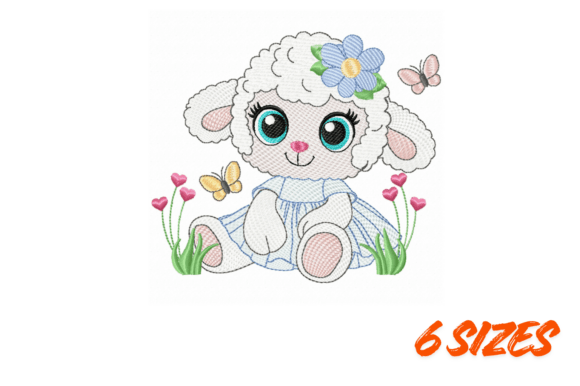
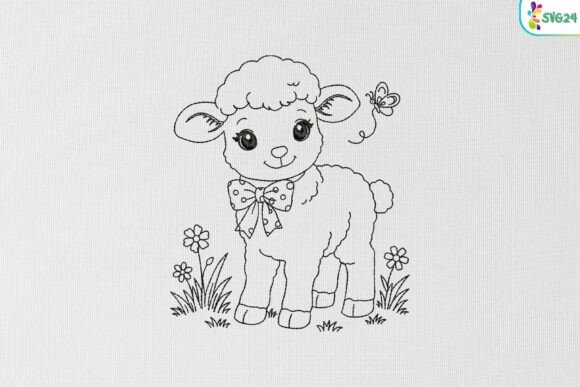
The immediate impact of the Cute Baby Lamb design is one of softness and nostalgia. In the competitive category of Baby Animals, many designs lean too far into cartoonish exaggeration or overly complex realism. This design strikes a remarkable balance. The fluffy texture of the lamb, combined with expressive eyes and a decorative bow, creates an instant emotional connection. It feels sweet and classic rather than trendy, which is crucial for items intended to become family heirlooms.
From a digitizing perspective, the inclusion of delicate flowers adds a necessary framing element without overwhelming the central subject. The playful nature of the lamb suggests movement and life, preventing the design from looking static on fabric. For an Etsy seller or small shop product creator, this visual warmth translates directly to buyer engagement. Customers are not just buying stitches; they are purchasing a feeling of comfort and innocence. When I loaded the embroidery file into my software, the stitch pathing appeared logical, suggesting that the final embroidered towel or blanket would have a smooth, professional finish rather than a bulky, thread-heavy appearance.
Best Applications for Personalized Gifts
During my testing phase, I evaluated how this design performs across various substrates commonly requested in my shop. The versatility of the Cute Baby Lamb makes it a strong candidate for multiple product lines.
- Nursery Decor and Blankets: This is the primary use case. The design’s charm shines brightest on minky fabrics, cotton quilting material, and fleece. As a centerpiece for blanket embroidery, it provides ample negative space around the lamb for adding a personalized name or birth date.
- Wedding Gift Keepsakes: While primarily a baby motif, the elegant styling allows this to cross over into wedding gifts. I envision this on a pillow cover for a couple expecting their first child, serving as a dual-purpose celebration of marriage and growing family.
- Kitchen and Bath Linens: For embroidered towel projects, the design holds up well on terry cloth, provided the correct stabilizer is used. It works beautifully on guest towels for a nursery bathroom or as a practical yet sentimental gift for new parents.
- Tote Bags and Aprons: Custom embroidery on canvas totes or mom-and-me aprons benefits from this design's clear silhouette. The decorative bow and flowers add enough detail to make the item look premium and handmade rather than mass-produced.
For digital product sellers offering printable mockups, this design photographs exceptionally well. The distinct features of the lamb read clearly even in thumbnail images, which is vital for click-through rates on platforms like Etsy.
Technical Considerations and Fabric Limitations
While the Cute Baby Lamb is versatile, experienced embroiderers know that no design is universal. During my test runs, I identified specific scenarios where caution is required to maintain the integrity of the finished product.
Managing Texture and Stabilization
The "fluffy" aesthetic of the lamb relies on specific stitch types that can be unforgiving on highly textured fabric. If you are stitching on thick terry cloth or boucle, you must use a heavy-duty water-soluble topping and a cutaway stabilizer. Without this, the delicate details of the expressive eyes and flower petals will sink into the pile, resulting in a loss of definition. Conversely, on stretchy baby clothes like onesies, the stitch density must be monitored. Overly dense fill stitches can cause the knit fabric to pucker or distort. Always test on a scrap of the exact garment material before committing to a customer order.
Size and Detail Integrity
One critical note for commercial embroidery users: verify the minimum size limits of your specific embroidery file. The decorative bow and facial features contain fine details that may not translate well if resized below the digitizer's recommended threshold. Shrinking the design too much can lead to thread breaks or muddy visuals. Similarly, when placing this design on curved surfaces like stuffed animals or rounded pillow covers, hooping technique becomes paramount. Distortion on a curve can make the symmetrical elements of the lamb appear lopsided.
Color Contrast and Dark Fabrics
This design was clearly digitized with light and pastel thread colors in mind. If a customer requests the Cute Baby Lamb on dark navy or black fabric, you cannot simply swap white thread for black. The underlying structure likely assumes a light background. You may need to add a white underlay or knockdown stitch to prevent the dark fabric from showing through the lighter fur textures. Always compare light and dark fabric mockups before production to manage customer expectations regarding color vibrancy.
Enhancing Perceived Value and Customer Trust
In the handmade market, perceived value drives pricing power. A well-executed Cute Baby Lamb embroidery elevates a simple textile into a cherished keepsake. When customers see clean satin stitches, properly registered details, and thoughtful placement, their trust in your brand increases. This design supports that level of quality because of its balanced composition.
However, value also comes from transparency. Before listing any finished product featuring this artwork, confirm the commercial licensing terms associated with your purchase. Nothing damages a small business faster than copyright infringement. Ensure you have the right to sell physical items embroidered with this design. Additionally, providing accurate care instructions for the finished product—such as washing inside out in cold water to protect the delicate flowers and bow—demonstrates professionalism and extends the life of the embroidery.
Practical Workflow Checklist for Makers
To ensure success with the Cute Baby Lamb design in a production environment, I recommend following this standardized workflow:
- Verify Specifications: Check the included documentation for exact stitch count, hoop size requirements, and format compatibility. Do not assume standard sizing.
- Conduct a Sew-Out Test: Never stitch directly on a customer’s item first. Use scrap fabric that matches the weight and weave of the final product.
- Evaluate Thread Colors: Compare your physical thread inventory against the design’s color sheet. Make substitutions based on fabric color and lighting conditions.
- Check Stabilizer Pairing: Match the stabilizer to the fabric texture. Use tear-away for stable wovens and cutaway for knits or stretchy materials.
- Review Small Details: After the test sew-out, inspect the eyes and bow closely. If details are lost, adjust the density or size in your software before proceeding.
- Create Accurate Mockups: Use realistic templates to show customers exactly how the personalized gift will look. Avoid misleading digital previews that hide potential texture issues.
- Confirm Licensing: Double-check that your usage rights cover the intended sales channel, whether that is a local craft fair, an online store, or wholesale.
The Cute Baby Lamb is more than just a pretty picture; it is a functional tool for creating meaningful connections through needle and thread. By respecting the technical requirements and leveraging its inherent charm, embroidery makers can turn this digital file into a best-selling staple for baby showers, weddings, and nursery decor. Whether you are an established Etsy seller or a hobbyist transitioning to sales, this design offers the perfect blend of sweetness and professionalism needed to grow your personalized gift collection.