Cute Bear Embroidery Design: A Maker’s Review
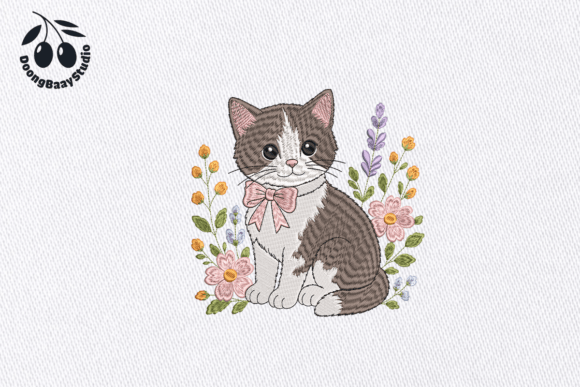
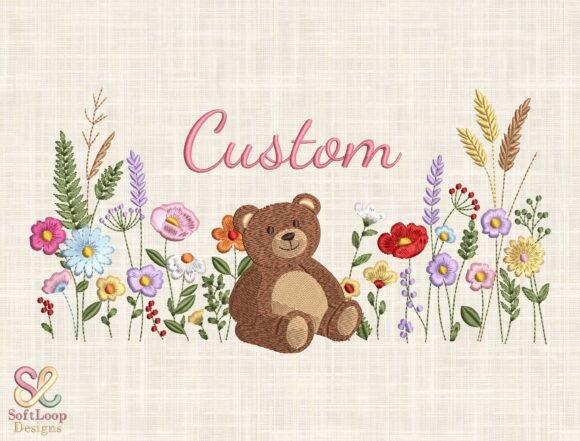
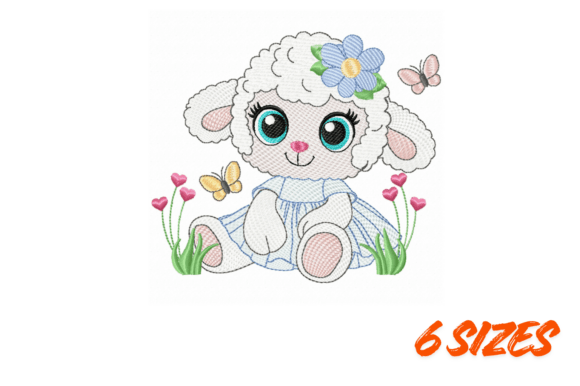
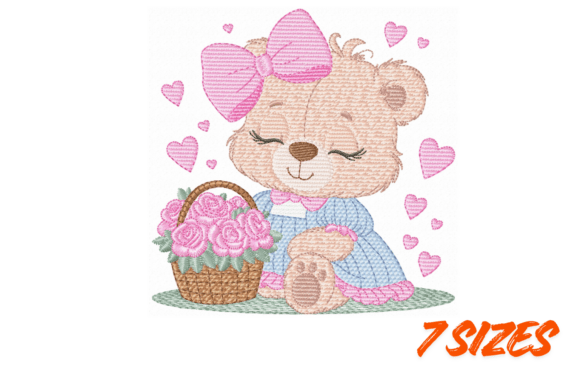
As an embroidery designer preparing for a busy weekend craft fair, my selection process is rigorous. I cannot afford to hoop designs that fail to catch the eye from six feet away or that require excessive troubleshooting on varied fabrics. When evaluating the Cute Bear Embroidery Design for my upcoming market table, I am looking at more than just digital aesthetics; I am assessing its viability as a high-turnover craft fair product. This design, featuring an adorable teddy bear girl with flowers and hearts, immediately signals a soft, nostalgic appeal that resonates deeply with shoppers looking for personalized gifts and nursery decor. However, translating this digital charm into physical sales requires a strategic approach to production and display.
First Impressions and Market Viability
The initial impression of this machine embroidery design is undeniably sweet and classic. It avoids the overly cartoonish look that can sometimes cheapen a handmade item, leaning instead toward a timeless aesthetic that fits both modern farmhouse and traditional nursery themes. For an Etsy seller or boutique maker, this versatility is gold. The inclusion of floral and heart motifs adds necessary texture and color variation, preventing the bear from looking flat when stitched out. From a booth display perspective, this design has strong "stop-scrolling" power in person. It communicates warmth and quality instantly, which is essential when customers are walking past dozens of tables. It feels premium rather than generic, suggesting that items bearing this motif are thoughtful keepsakes rather than mass-produced trinkets.
Best Applications for Craft Fair Sales
Not every substrate showcases a character design equally. Based on my experience with similar teddy bears in embroidery, here is how I evaluate specific products for this design:
- Tea Towel Embroidery: This is likely your highest volume seller. The bear’s scale works perfectly on flour sack towels. The flowers and hearts provide excellent contrast against white or cream linen, making the design pop from a distance. These are easy to batch produce and price accessibly.
- Tote Bag Design: Canvas totes offer a sturdy base for this artwork. Positioning the bear in the lower third creates a balanced, professional look. This application elevates the perceived value of the bag, allowing for a higher price point than plain utility totes.
- Baby Clothes and Bibs: Given the description mentions baby clothes, this is a natural fit. However, for a craft fair, onesies can be tricky due to sizing. I recommend focusing on bibs or burp cloths as they are one-size-fits-all handmade products that reduce inventory risk while showcasing the design’s intended demographic.
- Pillow Covers: Nursery pillows allow you to stitch the design at its maximum size without distortion. This serves as an excellent anchor piece for your booth display, drawing customers in to see the detail up close.
- Apron Embroidery: Placing this design on the chest pocket area of a child’s apron or the bottom hem of an adult apron creates a unique niche product. It differentiates your stall from competitors who only offer standard placement.
Production Practicalities and Technical Notes
While the Cute Bear Embroidery Design is visually appealing, technical execution determines profit margins. As a designer, I must consider stitch density and fabric compatibility before committing to a production run. Character designs often contain complex fill stitches that can cause puckering on lightweight fabrics if not stabilized correctly. When using this digital embroidery file, always verify the recommended hoop size and test on scrap material first. If you plan to stitch on textured towels, ensure the design includes adequate underlay to prevent the terry loops from poking through the satin stitches of the bear’s face or the delicate flower petals.
For those considering commercial embroidery for resale, repeatability is key. Does this design stitch out consistently across different machines? Are the thread colors standard enough to source easily during a busy show season? Complex shading might look beautiful on screen but can become a bottleneck if it requires twelve thread changes per item. Evaluate the color chart included with your download to ensure it aligns with your current inventory. Additionally, check the licensing terms explicitly. While the product is an instant digital download, confirming your rights to sell finished goods versus the embroidery file itself protects your business long-term.
Visual Merchandising and Customer Engagement
How you present this design matters as much as the stitching. At a craft fair, customers touch before they buy. Use this tactile nature to your advantage. Create a sample set that demonstrates the design’s range: a crisp tea towel, a soft plush pillow, and a durable tote. This trio tells a complete story of the Cute Bear Embroidery Design’s versatility. For online sellers, invest time in creating a high-quality printable mockup or photographing real samples in natural light. Digital renderings often lack the texture that convinces buyers of handmade quality. Show the sheen of the thread and the dimensionality of the flowers. This builds trust and justifies premium pricing for your small shop product.
Furthermore, consider offering personalization as an upsell. The space around the bear and flowers in this design likely allows for adding a name or date. This transforms a standard tote bag design or pillow into a bespoke gift, significantly increasing buyer engagement and average transaction value. Just ensure you have tested the spacing so added text does not crowd the central motif.
Designer’s Checklist for Success
Before loading this design assets package into your machine for a full production run, complete this essential checklist to ensure professional results:
- Test Stitch Out: Never skip this step. Verify registration, especially where the flowers meet the bear. Misalignment ruins the cute factor instantly.
- Stabilizer Selection: Match your stabilizer to the fabric weight. Cut-away for knits and baby clothes; tear-away or wash-away for towels and woven cottons.
- Contrast Check: Ensure thread colors stand out against your chosen fabric. A dark bear on navy fabric will disappear in dim booth lighting.
- Size Verification: Confirm the design dimensions fit your intended products without hitting seams or zippers. Resize cautiously to maintain stitch integrity.
- License Confirmation: Double-check the commercial use policy included with your instant download to avoid legal issues when selling at markets.
- Create Physical Samples: Photograph actual stitched items for listings. Customers want to see how the finished product looks in real life, not just in software.
The Cute Bear Embroidery Design holds immense potential for makers targeting the gift and nursery market. Its blend of whimsy and classic charm makes it a reliable performer for both digital sellers and physical market vendors. By approaching this design with a critical eye toward production efficiency, fabric suitability, and visual merchandising, you transform a simple digital file into a cornerstone of your handmade business. Remember, in the world of embroidery, success lies in the details—both in the stitch file and in the strategy behind it. Test thoroughly, display confidently, and watch this adorable bear bring customers to your table.