Curious Squirrel and Butterfly: An Embroidery Review
As a professional embroidery designer constantly sourcing high-quality assets for client work and my own Etsy shop, I approach every new machine embroidery design with a critical eye. When browsing Creative Fabrica embroidery collections, I look beyond the digital preview to imagine how the file will actually perform under the needle. Recently, I evaluated the "Curious Squirrel and Butterfly" design for a potential woodland-themed nursery line and custom apparel orders. This review breaks down my honest assessment of this digital embroidery file, focusing on its practical application for commercial use, handmade product creation, and small business inventory planning.
First Impressions and Visual Character
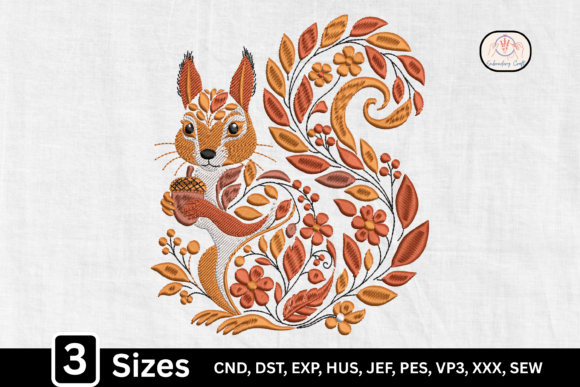
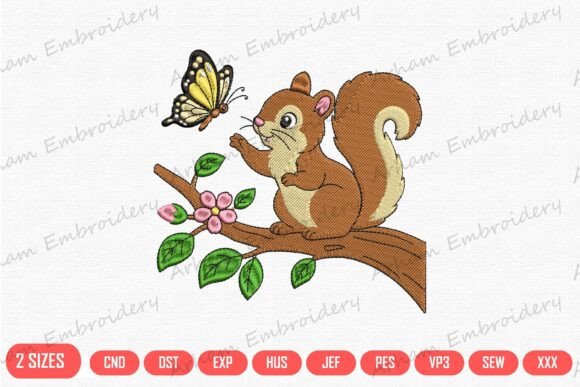
The initial appeal of Curious Squirrel and Butterfly lies in its narrative quality. Unlike generic clipart-style digitizations, this design captures a specific moment of interaction between the squirrel and the butterfly. For those of us in the Woodland Animals niche, finding designs that feel organic rather than stiff is a constant challenge. The composition features the squirrel perched on a flowering branch, reaching upward, which creates a natural diagonal flow. This is crucial for embroidery because it guides the viewer’s eye across the hoop rather than clustering all the visual weight in the center.
From a digitizing perspective, the balance between detail and stitch efficiency appears promising. The description highlights the delicate nature of the butterfly alongside the textured fur of the squirrel. In real-world production, this suggests a mix of fill stitch areas for coverage and likely some intricate satin stitch or running stitch elements for definition. As a designer, I appreciate when a motif respects the medium; overly dense designs can pucker fabric and break needles, while sparse designs look cheap. This design seems to strike a balance suitable for both decorative accents and focal points on custom apparel.
Performance on Real-World Substrates
Evaluating an embroidery file requires considering where it will live physically. Based on the complexity described, here is how I envision Curious Squirrel and Butterfly performing across different project types:
- Tote Bag Design: Canvas and linen are forgiving fabrics. The branch element provides excellent structural stability, acting almost like an anchor for the design. This makes it ideal for tote bag design projects where the fabric might shift slightly during hooping.
- Sweatshirt Embroidery: Fleece and French terry require careful stabilization. If the squirrel’s fur utilizes complex texture stitches, you must ensure the stitch density isn't too high for the loft of the fabric. I recommend testing on scrap fleece first to ensure the details don't get lost in the pile.
- Nursery Decor and Baby Items: For baby blankets or pillow covers, softness is paramount. You need to verify that there are no harsh jump stitches or excessive backing buildup. The whimsical nature of this design makes it perfect for a personalized gift, but always check the back of your test stitch-out for scratchy elements before selling.
- Kitchen Towels and Aprons: These items face frequent washing. The interplay of the squirrel and butterfly needs secure locking stitches at the start and end points to prevent unraveling over time. The floral branch adds a lovely feminine touch to utilitarian items.
Technical Considerations for Commercial Use
For fellow Etsy sellers and boutique owners, technical reliability equals profit. A beautiful design that causes registration issues or thread breaks eats into margins. Before adding Curious Squirrel and Butterfly to your production lineup, consider these technical factors:
Hoop Size and Scaling
Always confirm the available hoop size options before purchasing. While resizing software exists, scaling a design down by more than 20% can distort satin stitch columns and make tiny details disappear. Conversely, enlarging it may expose gaps in fill stitch patterns. If you plan to use this as an embroidered patch, ensure the smallest size retains legible details without becoming a solid block of thread.
Stabilizer and Fabric Pairing
The success of this handmade product depends heavily on your stabilizer choice. For the curved cap surfaces mentioned in my project planning, a firm cut-away stabilizer and potentially a topping would be necessary to keep the butterfly’s wings crisp. On stretchy fabrics for sweatshirt embroidery, a fusible no-show mesh helps maintain the integrity of the branch lines without adding bulk. Never skip the test sew-out; what looks perfect on screen may require tension adjustments on your specific machine.
Thread Color Strategy
The description mentions a "flowering tree branch," implying multiple color changes. Efficient thread colors management is key for commercial embroidery. Review the color chart included with the file. Does it use ten shades of brown for the squirrel, or can you consolidate them to reduce production time? Sometimes, simplifying the palette enhances the vintage aesthetic while making the finished product more profitable. Always compare light and dark fabric mockups, as certain thread colors may need adjustment depending on the base material contrast.
Enhancing Product Value and Brand Trust
In the saturated market of digital downloads and handmade goods, presentation distinguishes professionals from hobbyists. Using a cohesive design like Curious Squirrel and Butterfly allows for strong brand consistency. When customers see this motif on a printable mockup in your shop listing, they should immediately recognize your style.
This design has high "giftability." The emotional connection of a curious animal interacting with nature resonates with buyers looking for meaningful items. Whether applied to a keepsake blanket or a seasonal tote, the artwork elevates the perceived value of the item. However, trust is built on execution. Ensure your product photography shows the actual stitched texture, not just the digital rendering. Buyers want to see how the applique design (if applicable) or stitch texture interacts with the fabric grain. Honest representation reduces returns and builds long-term customer loyalty.
Essential Pre-Production Checklist
Before listing any item featuring this design or selling the digital assets themselves, adhere to this professional workflow:
- Verify Licensing: Check the specific license terms on the Creative Fabrica product page. Confirm whether you have rights for physical commercial embroidery products, digital resale, or both. Never assume; always read the fine print.
- Inspect File Details: Open the embroidery file in your editing software. Check the total stitch count and dimensions. Ensure they match the product description to avoid hooping surprises.
- Test on Target Fabric: Do not rely on felt tests if you are selling denim jackets. Test on the exact substrate you intend to sell.
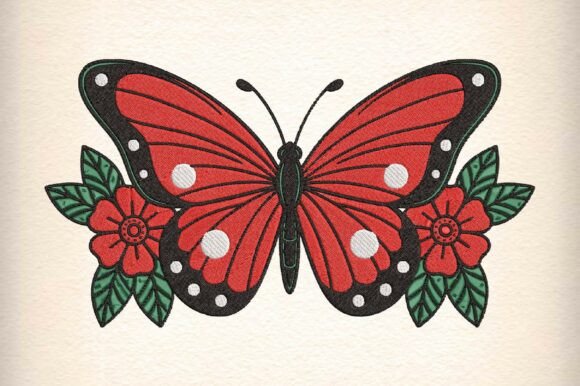
- Review Small Details: After stitching, inspect the butterfly antennae and flower centers. Are they distinct? Do they pull the fabric? Adjust density or add underlay if necessary.
- Create Accurate Mockups: Use high-quality photos of your actual stitch-outs for listings. If using digital mockups, ensure they accurately reflect the stitch direction and texture of the real design assets.
Final Thoughts for Makers
Curious Squirrel and Butterfly offers a charming addition to the Woodland Animals category, provided it is treated with professional diligence. Its narrative composition and balanced details make it a versatile candidate for everything from nursery decor to custom apparel. By respecting the technical requirements of stitch density, proper stabilization, and licensing, you can transform this digital file into a tangible asset that drives sales and delights customers. Remember, in our industry, the quality of the final stitch-out is the ultimate review. Take the time to test, adjust, and perfect your process, and this design could become a staple in your creative repertoire.