Butterfly Embroidery Design: A Craft Fair Review
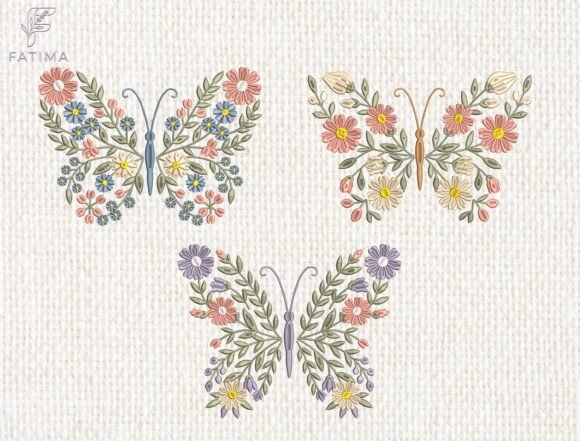
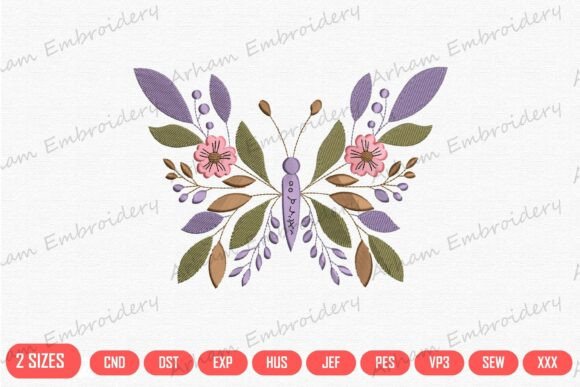
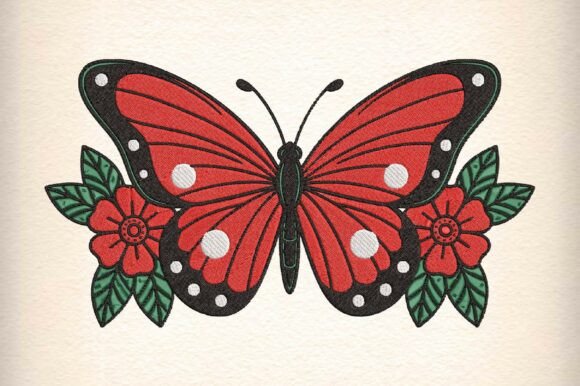
As an experienced embroidery designer preparing for a weekend craft fair, I evaluate every machine embroidery design through the lens of profitability and production efficiency. When reviewing this specific Butterfly Embroidery Design, my immediate assessment focuses on its commercial viability for handmade market products. The description promises elegance and nature-inspired beauty with a stunning red butterfly surrounded by delicate flowers and leaves. From a booth display perspective, this color combination is strategic. Red is a high-contrast anchor that draws the eye from several feet away, while the floral elements soften the aesthetic to appeal to customers seeking organic, cottage-core, or botanical themes. Unlike generic insect patterns that can sometimes appear too scientific or juvenile, this design leans into decorative artistry, making it suitable for adult accessories and home goods rather than just children’s wear.
Evaluating Market Viability Across Product Categories
For an Etsy seller or boutique maker, versatility is key to maximizing the return on a single embroidery file. This Butterfly Embroidery Design has strong potential across multiple categories, but performance varies by substrate. For tote bag design applications, this pattern serves as an excellent focal point. Canvas totes provide a stable base that supports detailed stitching without distortion, allowing the red butterfly and floral accents to pop against natural cotton or linen backgrounds. Similarly, apron embroidery benefits from this motif; placing the design on the bib or lower pocket area creates a premium, artisanal look that justifies a higher price point at a market stall.
Tea towel embroidery requires more caution. While the design is visually appropriate for kitchen textiles, the "delicate flowers and leaves" mentioned in the product description must be tested on terry cloth or flour sack linen. If the stitch density is too light, the details may sink into the fabric texture; if too heavy, the towel becomes stiff. For embroidered patch production, this design is ideal because the distinct outline of the butterfly allows for clean merrowed edges or satin stitch borders. Patches are high-margin items for craft fairs, and a well-digitized nature motif sells consistently to collectors and customizers. However, for curved surfaces like caps, I would advise verifying the hoop size and digitizing structure first. Complex floral surrounds often distort on curved brims unless specifically digitized for headwear.
Visual Impact and Booth Display Strategy
In a crowded handmade market, you have seconds to capture attention. This Butterfly Embroidery Design succeeds because it balances boldness with intricacy. The red butterfly acts as a visual hook, while the surrounding florals encourage the customer to step closer to appreciate the craftsmanship. This proximity increases the likelihood of a sale. When creating printable mockups for online listings or signage at your booth, ensure the red thread colors are accurately represented. Digital screens often oversaturate reds, leading to customer disappointment. I recommend photographing the actual finished product in natural lighting to showcase the true sheen and dimension of the threads.
Brand consistency matters for creative entrepreneurs. If your shop focuses on modern minimalism, this design might feel too ornate. However, for brands centered on garden aesthetics, sustainable living, or romantic vintage styles, this pattern reinforces your niche. It elevates simple blanks into perceived luxury items. A plain canvas pouch becomes a giftable treasure when adorned with this elegant insect motif. The emotional connection to nature drives sales more effectively than generic graphics, making this a valuable asset for your design assets library.
Production Realities and Technical Considerations
Before committing to batch production for a craft fair product line, practical testing is non-negotiable. As a professional, I never run a new digital embroidery file directly onto sellable inventory without a sample. You must verify the stitch density relative to your chosen stabilizer and fabric weight. The description highlights "delicate" elements, which often translates to running stitches or lightweight fills. On textured fabrics like waffle weave or burlap, these fine details can disappear. Always use an appropriate stabilizer—likely a cut-away for stretchy tote bags or a tear-away for crisp tea towels—to maintain registration between the butterfly and the floral border.
Thread contrast is another critical variable. The design features a red butterfly, but the specific shade matters. A bright cherry red reads differently than a deep burgundy or rust. Test various thread colors against your intended blank colors. A red butterfly on black fabric looks dramatic and premium, while on white fabric, it appears fresh and summery. On green fabric, it creates a naturalistic garden vibe. Document which combinations yield the best coverage and visual appeal. Additionally, check the hoop size requirements before purchasing. Ensure the design fits within your machine’s maximum field without requiring re-hooping, as multi-position designs increase production time and risk alignment errors during busy pre-fair prep sessions.
Careful Use Notes for Commercial Embroidery
While this Butterfly Embroidery Design is promising, certain limitations apply to commercial embroidery workflows. Be wary of resizing. Enlarging a design can cause gaps in satin stitches, while shrinking it can turn delicate floral leaves into thread clumps. Unless the file includes multiple size variations optimized for different fields, stick to the original dimensions or minor adjustments within 10-15%. Small lettering, if included in the full artwork, is often the first casualty of resizing. If the design includes text smaller than 4mm, test legibility rigorously.
Fabric texture plays a massive role in the final outcome of this handmade product. High-pile fabrics require a topping stabilizer to prevent stitches from sinking. Dark fabrics may require a white underlay to prevent the background color from showing through lighter floral threads. Curved cap surfaces are particularly challenging for designs with wide horizontal spans; if the butterfly wings extend too far laterally, consider using the design only on flat-brim hats or unstructured dad caps. Always confirm licensing terms before selling. Just because a file is available digitally does not automatically grant permission for unlimited commercial reproduction of finished goods. Respecting intellectual property protects your business reputation.
Final Verdict for Handmade Sellers
This Butterfly Embroidery Design represents a strong opportunity for makers targeting the nature-loving demographic. Its blend of bold color and intricate detail positions it well for mid-to-high price point items like embroidered aprons, premium tote bags, and decorative pillow covers. It avoids the trap of looking childish, instead offering an elegant interpretation of bugs and insects that appeals to adult buyers. For the Etsy seller, it provides excellent keyword relevance for botanical and cottagecore searches. For the craft fair vendor, it offers the visual stopping power necessary to drive foot traffic.
Success with this design hinges on technical execution. Do not skip the sampling phase. Create at least one real mockup on each intended product type to evaluate drape, stability, and visual balance. Compare fabric colors under both indoor and outdoor lighting to simulate market conditions. By treating this small shop product with professional rigor, you transform a digital file into a tangible revenue stream. The elegance promised in the description is achievable, provided you respect the interplay between digitizing, materials, and machinery. When executed correctly, this butterfly motif will not just decorate your products; it will define the quality standard of your brand at the next market event.