Daisy Wildflower Bee: A Craft Fair Best-Seller Review
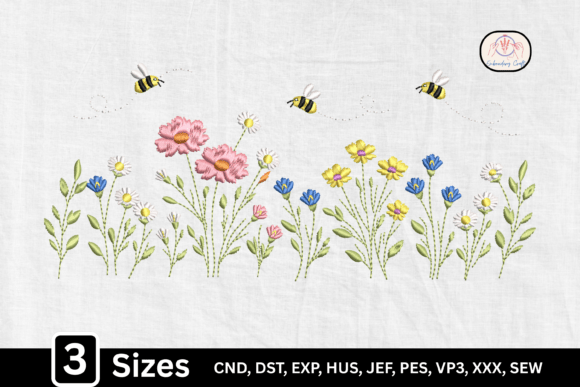
As an experienced embroidery designer preparing for the upcoming weekend craft fair season, I constantly evaluate which digital assets will translate into physical sales. When reviewing the Daisy Wildflower Bee machine embroidery design, my immediate assessment is that this file captures the quintessential spring and summer aesthetic that drives impulse buys at outdoor markets. The combination of a daisy floral border with a central bee motif strikes a balance between cottagecore charm and modern farmhouse appeal. For Etsy sellers and boutique makers, this design does not just look good on a screen; it possesses the visual hierarchy necessary to stop customers walking past a booth table.
First Impressions and Market Viability
The first impression of the Daisy Wildflower Bee is undeniably fresh and inviting. In the Bugs Insects category, many designs lean too heavily into realism or scientific illustration, which can sometimes alienate casual shoppers looking for cute home decor. This design, however, leans into a stylized, cheerful interpretation. It feels premium yet accessible, making it an ideal candidate for a wide demographic ranging from young garden enthusiasts to older customers seeking nostalgic kitchen textiles. As a craft fair product, it avoids being overly niche, ensuring that your inventory appeals to the broadest possible audience while maintaining a distinct handmade product identity.
For creative entrepreneurs, the "wildflower" aspect suggests versatility. Unlike rigid geometric patterns, organic floral borders forgive minor hooping imperfections and blend beautifully with natural fabric textures like linen and cotton canvas. This forgiveness is crucial when producing batch items for a market where speed and consistency are paramount.
Top Performing Products for Booth Displays
When planning my table display, I categorize embroidery files by their end-use application. The Daisy Wildflower Bee excels in specific categories that are high-margin staples for small shop product lines.
- Tote Bag Design: This is arguably the strongest application for this file. Canvas tote bags are the number one seller at summer markets. The daisy border frames the bag’s center perfectly, creating a focal point that is visible from a distance. Ensure you use a tear-away stabilizer appropriate for canvas weight to prevent puckering around the dense floral elements.
- Tea Towel Embroidery: Kitchen linens require designs that withstand washing without losing integrity. The wildflower theme naturally complements flour sack towels and waffle-weave fabrics. Because this design features a border element, it works exceptionally well placed near the bottom hem or centered as a placemat-style motif. Avoid placing intricate bee details directly over thick terry loops, as the texture may obscure fine stitching.
- Apron Embroidery: For gardeners and bakers, an apron featuring this design signals a connection to nature. Position the design on the chest bib for maximum visibility in photos and while wearing. The organic shapes conform well to the curved surface of a worn apron better than stiff, boxy designs would.
- Embroidered Patch: If you have excess scrap fabric, this design scales down effectively for patches. Patches are excellent low-cost add-ons at checkout. However, verify the stitch density at smaller sizes to ensure the bee’s wings remain defined rather than becoming a solid blob of thread.
Production Practicalities and Stitch Quality
A beautiful digital embroidery file must also be production-friendly. When evaluating the Daisy Wildflower Bee for commercial embroidery purposes, I look for efficiency and durability. Floral borders typically involve significant travel stitches. Before committing to a full production run, check the digitizing path. Efficient routing reduces trim times and jump stitches, which directly impacts your profit margin per hour during batch production.
Stitch density is another critical factor. Wildflower designs often utilize satin stitches for petals and fill stitches for leaves. On lightweight fabrics like voile or thin cotton, excessive density can cause tearing or distortion. Conversely, on heavy denim caps or canvas market bags, insufficient density makes the design look sparse and cheap. Always run a test sew-out on the exact fabric you intend to sell. This step is non-negotiable for maintaining brand consistency and perceived value.
Regarding color changes, this design likely requires multiple thread colors to distinguish the bee from the daisies and foliage. Plan your production batches by color rather than by item. Running all yellow threads across ten tote bags before switching to green minimizes machine downtime. For Etsy sellers offering custom colorways, keep a record of which thread brands and numbers yield the best contrast against your base fabrics, as this information streamlines future reorders.
Visual Merchandising and Online Presentation
Selling at a craft fair and selling online require different visual strategies, but the Daisy Wildflower Bee supports both. Physically, this design pops against neutral backgrounds. Cream, sage green, and soft yellow fabrics enhance the garden feel without competing with the embroidery. In a booth setting, stack tea towels so the embroidered edge is visible, and hang tote bags at eye level to showcase the full border composition.
For digital sales, printable mockup accuracy is vital. Customers need to see how the design interacts with fabric texture. Flat-lay photography of finished products performs better than digital-only renders for this style because buyers want to assess the "handmade quality." If you are selling the digital embroidery file itself, include close-up macro shots of the stitch texture to demonstrate clean registration and professional digitizing standards. Highlighting the versatility of the design in your listing description—mentioning its suitability for pillows, pouches, and gifts—helps capture long-tail search traffic.
Critical Use Notes for Professional Results
Even the best designs have limitations. Based on typical characteristics of wildflower and insect motifs, exercise caution in the following areas:
- Small Lettering: If the design includes text, avoid resizing below 70% unless the font is specifically digitized for micro-stitching. Tiny serifs in floral scripts often get lost in fabric grain.
- Curved Surfaces: While great for aprons, complex borders can distort on structured caps. If adapting for headwear, consider using only the central bee and a single daisy cluster rather than the full perimeter border.
- Dark Fabrics: Bright pastel threads on black or navy fabric can sometimes look chalky or require excessive underlay. Test contrast thoroughly; sometimes a cream underlay beneath white petals prevents the dark fabric from showing through.
- Textured Towels: Use a water-soluble topping on terry cloth or waffle weave to prevent stitches from sinking into the pile. Without topping, the delicate details of the bee’s antennae or flower stamens will disappear.
Designer Checklist Before Selling
Before listing any finished product derived from the Daisy Wildflower Bee, complete this professional checklist to protect your business reputation:
- Verify Licensing: Confirm the commercial license terms for this specific embroidery file. Some designers allow unlimited finished product sales but prohibit sharing the digital file or using it for print-on-demand services.
- Hoop Size Confirmation: Measure your physical hoop against the digital file dimensions. Never assume a 4x4 design fits a standard 4x4 hoop if the machine adds extra space for basting boxes.
- Stabilizer Matching: Document the exact stabilizer type (cut-away, tear-away, mesh) used for each fabric type in your production notes. This ensures repeatable quality across seasons.
- Mockup Validation: Create at least one real sample before photographing for listings. Digital previews cannot replicate how light hits raised satin stitches or how thread sheen affects color perception.
- Thread Inventory: Ensure you have sufficient yardage of all required colors. Running out of a specific variegated green mid-batch can result in noticeable color variation between items sold at the same event.
The Daisy Wildflower Bee represents a strong investment for embroidery businesses targeting the spring and summer retail cycle. Its blend of botanical elegance and whimsical insect detail satisfies current trends while remaining timeless enough for year-round kitchen and garden sales. By focusing on practical production methods, appropriate fabric pairings, and strategic merchandising, this design can become a cornerstone of your handmade product lineup. Whether you are stocking an Etsy shop or filling a booth table, prioritizing technical execution alongside aesthetic appeal is what ultimately converts browsers into loyal customers.