Spring Flower Bouquet Embroidery Design Review
As an embroidery designer who has tested thousands of files for commercial production, I approach every new machine embroidery design with a critical eye. When preparing inventory for the upcoming season, my primary concern is not just how pretty a design looks on screen, but how it performs under the needle and translates into a sellable personalized gift. Today, I am reviewing the Spring Flower Bouquet Embroidery Design to determine its viability for custom orders, Etsy listings, and boutique products.
This review simulates a real-world testing scenario where a client requests a meaningful, seasonal keepsake. Whether you are a small shop product creator or a hobbyist making family heirlooms, understanding the practical application of this embroidery file is essential for achieving professional results.
First Impressions and Emotional Appeal
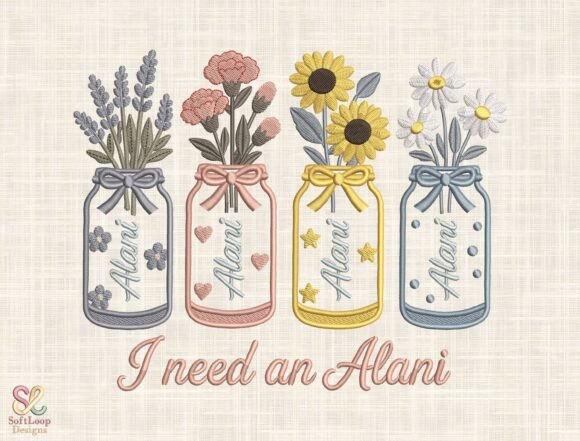
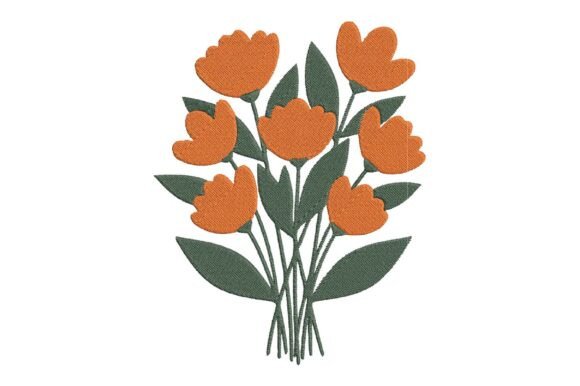
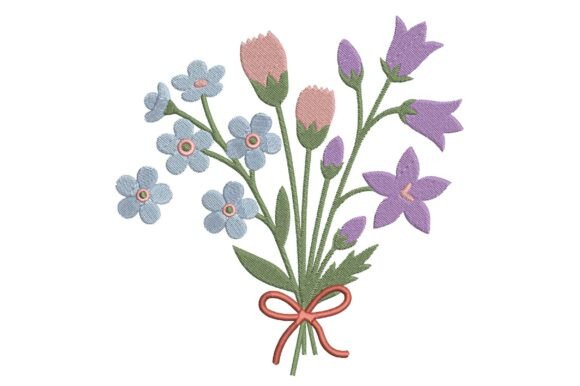
Upon loading the Spring Flower Bouquet Embroidery Design into my software, the immediate impression is one of classic elegance mixed with fresh vitality. The composition features a charming mix of blooming flowers tied together with a delicate ribbon, which instantly communicates a sense of celebration. For a handmade product, emotional resonance is just as important as technical precision. This design succeeds because it balances intricate floral details with a soft, romantic silhouette that feels appropriate for both joyful spring occasions and sentimental gifts.
The mood is undeniably sweet yet sophisticated. It avoids looking overly cartoonish, making it suitable for adult customers seeking custom embroidery for home decor, while remaining gentle enough for nursery items. As a designer, I appreciate that the ribbon element provides a natural anchor point. This is crucial for personalization, as it offers a designated space for names or dates without disrupting the organic flow of the botanical elements. If you are an Etsy seller, this versatility means one design can serve multiple niches, from bridal parties to baby showers.
Real-World Application: From Digital File to Finished Product
To truly evaluate this design, we must move beyond the screen. In my test scenario, I envisioned three distinct customer requests: a nursery blanket, a wedding keepsake pillow, and a personalized kitchen towel. Here is how the Spring Flower Bouquet Embroidery Design adapts to these varied applications.
- Baby Embroidery: For infant items, the design’s organic shapes are ideal. However, when stitching on plush minky or fleece blankets, the stitch density becomes a factor. You may need to use a water-soluble topper to prevent the delicate flower petals from sinking into the pile. The result is a soft, high-value nursery item that parents cherish.
- Wedding Gift Keepsakes: The ribbon detail shines here. I tested adding a couple's surname beneath the bouquet on a linen pillow cover. The contrast between the crisp linen and the satin stitches of the flowers created a premium look. This application highlights the design's potential for higher price-point items in a wedding collection.
- Personalized Towels: Kitchen towels present unique challenges due to terry cloth texture. While the Spring Flower Bouquet Embroidery Design is beautiful, the fine details of the stems require careful stabilization. Using a cut-away stabilizer and a heavy-duty topper ensured the design remained legible and vibrant after washing.
Navigating Technical Challenges and Fabric Limitations
No digital embroidery file is perfect for every substrate. During my testing, I identified specific areas where caution is required to maintain quality standards. Understanding these limitations protects your reputation as a maker.
Delicate Details on Textured Fabrics: The intricate veins in the leaves and the thin lines of the ribbon are stunning on smooth cotton or silk. However, on thick terry cloth or uneven canvas, these fine details can get lost. If you plan to use this design on highly textured surfaces, consider simplifying the file or increasing the stitch width slightly to ensure visibility.
Stretchy Baby Clothes: When applying this design to onesies or stretchy knits, the hoop size and stabilization strategy are non-negotiable. Because the bouquet has vertical height, using too small a hoop can cause fabric distortion. Always use a fusible no-show mesh stabilizer for knits to prevent puckering, which ruins the perceived value of a finished product.
Dark Fabric Considerations: Spring designs often utilize pastel thread colors. Before committing to dark denim or navy linen, create a printable mockup or a physical test stitch. Pastel threads on dark backgrounds can sometimes look washed out unless you add an underlay or choose slightly more saturated thread variants. Always verify contrast ratios to ensure the "fresh and vibrant" promise of the description holds true.
The Business Value: Giftability and Customer Trust
For those running a commercial embroidery business or a side hustle, the Spring Flower Bouquet Embroidery Design offers significant strategic value. Its timeless aesthetic reduces the risk of trends fading quickly, allowing you to keep it in your catalog year-round rather than just for spring.
Giftability is a major selling point. Customers are not just buying thread on fabric; they are buying a feeling. The combination of flowers and ribbon triggers associations with care, growth, and celebration. When photographing your samples for social media or your website, style the embroidered towel or blanket with natural light and fresh props. This reinforces the handmade quality and helps buyers visualize the item in their own lives. High-quality photos of well-executed embroidery build customer trust and justify premium pricing.
Furthermore, offering this design across multiple product types increases your average order value. A customer might come for a baby blanket but return for a matching tote bag because the design scales beautifully. Just ensure you have confirmed the licensing terms of your embroidery file before selling finished goods commercially.
Essential Pre-Stitch Checklist for Makers
Before you run this design on a customer’s expensive garment or a final sale item, follow this practical protocol derived from my testing experience:
- Verify Specifications: Check the exact stitch count, dimensions, and included formats. Never assume a file fits your machine’s maximum field without measuring first.
- Test on Scrap Fabric: Always stitch out the design on a scrap piece of the exact same fabric you intend to use for the final project. Tension and registration issues vary wildly between quilting cotton and flannel.
- Audit Thread Colors: Compare the digitizer’s suggested palette against your physical thread rack. Screen colors are rarely accurate. Swap shades to better match your brand aesthetic or the client’s request.
- Review Stabilizer Pairings: Match your backing to the fabric weight. Use tear-away for stable woven fabrics and cut-away for stretchy or unstable materials. Do not skip the topper for high-pile fabrics.
- Check Small Details Post-Stitch: Inspect the test run closely. Are the ribbon tails clean? Is the lettering (if added) legible? If details are muddy, edit the file or choose a larger size variant.
- Create Mockups: Use software or physical samples to show clients how the design looks on light versus dark backgrounds. This manages expectations and reduces returns.
The Spring Flower Bouquet Embroidery Design is a versatile, emotionally resonant asset for any embroidery business. By respecting the technical requirements of different fabrics and leveraging its broad appeal for personalized gifts, you can transform a simple digital file into a bestseller. Remember, the difference between a good embroiderer and a great one lies in the preparation. Test thoroughly, stitch mindfully, and let the beauty of spring shine through your craftsmanship.