Floral Jellyfish Embroidery Design Review
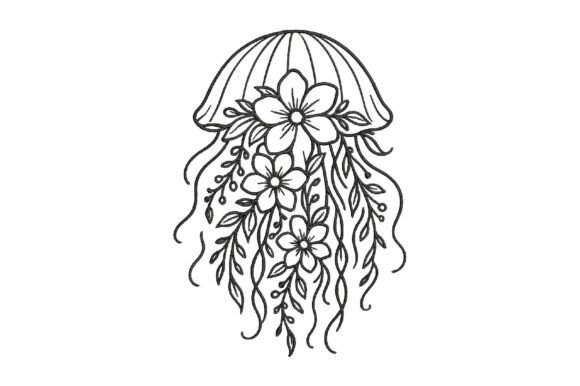
As an experienced embroidery designer preparing for a busy weekend craft fair, I am constantly evaluating which digital assets will translate into profitable physical products. When reviewing the Floral Jellyfish Embroidery Design, my immediate assessment is that this piece bridges two highly popular aesthetics: marine life and botanical illustration. This combination creates a unique artistic niche that stands out against standard nautical or generic floral patterns. For Etsy sellers and boutique makers, this design offers a sophisticated, whimsical appeal that feels premium rather than juvenile. It strikes a balance between modern elegance and soft, organic texture, making it an excellent candidate for Spring collections where customers seek fresh, nature-inspired handmade goods.
Evaluating Market Viability for Craft Fair Products
When setting up a booth display, visual hierarchy is everything. Customers walking past a table need to understand what a product is within seconds. The Floral Jellyfish Embroidery Design succeeds here because the silhouette is distinct. Unlike abstract art, the jellyfish shape is instantly recognizable, while the floral integration adds the intricate detail that justifies a higher price point for commercial embroidery items. In my experience, designs that merge two unrelated concepts often spark conversation, which is the first step toward a sale at a market.
For tote bag design applications, this artwork serves as a strong central focal point. Canvas totes are a staple craft fair product, but they require bold imagery to be seen from a distance. The flowing tentacles of the jellyfish allow for dynamic placement that utilizes the vertical space of the bag effectively. Similarly, as an apron embroidery choice, the design sits beautifully on the bib or lower pocket area. The organic curves complement the drape of fabric better than rigid geometric shapes, giving the finished product a custom, high-end feel that appeals to buyers looking for quality over mass production.
Best Applications for Tea Towels and Patches
Tea towel embroidery requires careful consideration of fabric texture and stitch density. Linen and cotton blends absorb ink and thread differently, so the delicate floral elements in this design must be digitized with enough openness to prevent puckering. If executed correctly, this design transforms a simple kitchen textile into a giftable handmade product. The juxtaposition of ocean life with domestic utility creates a charming narrative that resonates with customers decorating coastal or cottage-style kitchens.
For those selling embroidered patches, this design offers versatility. However, because jellyfish tendrils can be thin, I recommend testing the border integrity before batch production. As a patch, the Floral Jellyfish Embroidery Design works best as a medium-to-large accent rather than a tiny logo. It also translates exceptionally well to fabric pouches and zipper bags. These smaller items serve as perfect add-on sales at markets, and the artistic nature of the design elevates them beyond basic utility accessories.
Production Practicalities and Technical Considerations
A beautiful digital embroidery file does not always guarantee a smooth production run. When integrating this machine embroidery design into your workflow, you must consider the technical limitations of various substrates. The primary concern with any floral-animal hybrid is stitch density. If the florals are too dense, they can cause needle breaks or fabric distortion on lighter materials. Conversely, if they are too sparse, the design may look unfinished on textured towels. Always inspect the stitch count and density settings in your software before committing to a full production run.
- Stabilizer Selection: Use a cut-away stabilizer for stretchy fabrics like t-shirts or jersey knits to maintain the shape of the tentacles. For woven cottons used in tea towels, a tear-away may suffice, but test first to ensure the delicate petals do not pull.
- Fabric Texture: Avoid using this design on high-pile terry cloth without a water-soluble topping. The fine details of the floral elements will get lost in the nap of the fabric, reducing the perceived value of the handmade product.
- Thread Colors: This design likely relies on color blending to separate the jellyfish body from the flowers. Verify your thread palette against the actual fabric color. Pastel threads on white fabric may lack contrast, while vibrant threads on dark denim might require a white underlay base to pop.
- Hoop Size: Confirm the maximum dimensions of the design against your available hoops. Resizing complex designs can distort stitch angles. If you must resize, do so within 10-15% of the original size to preserve integrity.
Navigating Curved Surfaces and Small Details
Caps present a specific challenge for the Floral Jellyfish Embroidery Design. The curved surface of a hat can distort vertical lines, potentially making the jellyfish appear lopsided. If adapting this for headwear, ensure the digitization includes proper compensation for the curve, or limit the design to the side panels where the fabric is flatter. Additionally, be wary of small lettering or tiny stamens within the floral sections. These details often fail to register clearly on uneven surfaces or when scaled down for baby items. Clarity is paramount; if a detail cannot be stitched cleanly, it should be edited out of the production version.
Merchandising and Digital Presentation Strategy
For Etsy sellers and digital creators, the presentation of the finished product is as important as the stitching itself. A printable mockup is essential for listing optimization, but nothing sells a small shop product like real-world photography. When photographing this design for online listings, use natural lighting to capture the sheen of the rayon or polyester threads. The interplay of light on the stitches highlights the dimensionality that flat printing cannot replicate.
Brand consistency matters when adding new design assets to your shop. Does this whimsical, oceanic-botanical fusion align with your existing inventory? If your brand focuses on rustic farmhouse styles, this might feel out of place. However, if you cater to boho, coastal, or contemporary aesthetics, it strengthens your portfolio. For craft fair displays, group items featuring this design together to create a cohesive collection story. A table displaying a matching tote, tea towel, and pouch creates a stronger visual impact than scattered singles, encouraging customers to buy multiple pieces.
Essential Pre-Production Checklist
Before listing any item made with this digital embroidery file for sale, professional due diligence is required. Never assume a design is production-ready straight from the download. Follow this protocol to protect your business reputation:
- Test Stitch-Out: Always sew a sample on scrap fabric identical to your final product. Check for registration issues between the floral and jellyfish sections.
- Wash Test: If selling tea towels or apparel, wash and dry the test sample. Some complex fills shrink or pucker after laundering, which ruins customer satisfaction.
- License Verification: Confirm the commercial licensing terms. Ensure you have the right to sell finished physical products. Some designers restrict the number of units or prohibit certain applications.
- Mockup Creation: Create at least one real mockup on your intended blank. Compare how the design looks on screen versus reality. Adjust thread colors if the digital rendering differs significantly from physical output.
- Detail Inspection: Zoom in on the test run. Are the satin stitches smooth? Is the underlay sufficient? Does the design feel stiff or flexible? Handmade quality is defined by these tactile details.
The Floral Jellyfish Embroidery Design represents a significant opportunity for creative entrepreneurs looking to differentiate their Spring offerings. Its unique blend of marine and floral motifs provides a fresh alternative to seasonal clichés, while its artistic complexity signals high value to buyers. By approaching production with technical mindfulness and merchandising with strategic intent, this design can become a cornerstone of your craft fair table or online shop. Remember that success lies not just in the beauty of the digital file, but in the thoughtful execution of the finished product. Take the time to test, refine, and present this design with the professionalism it deserves, and it will undoubtedly resonate with customers seeking something truly special.