Cute Piglet in Floral Sunhat Garden Review
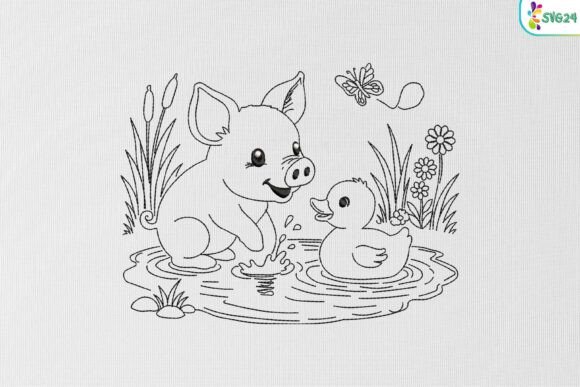
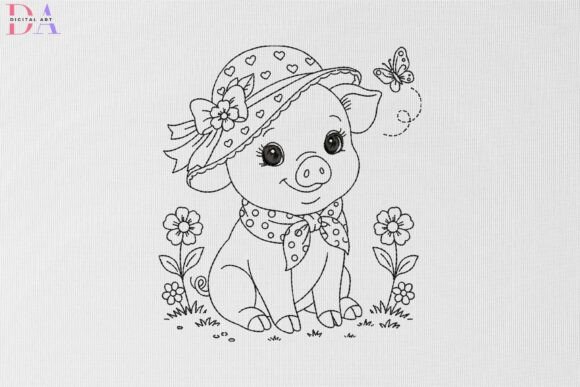
As an experienced embroidery designer preparing for a busy weekend craft fair, I evaluate every machine embroidery design through the lens of profitability and production efficiency. When reviewing the Cute Piglet in Floral Sunhat Garden, my immediate assessment is that this design captures the quintessential farmhouse aesthetic that currently dominates the handmade market. The combination of baby animals with botanical elements creates a soft, nostalgic appeal that resonates deeply with customers looking for nursery decor or sentimental gifts. For an Etsy seller or boutique maker, this specific motif offers high visual value because it balances intricate floral details with a recognizable, adorable focal point.
First Impressions and Booth Appeal
At a glance, the Cute Piglet in Floral Sunhat Garden reads as premium and cheerful rather than generic. In a crowded vendor hall, shoppers are drawn to designs that tell a story within seconds. This artwork succeeds because the sunhat implies a narrative of outdoor play and summer gardens, distinguishing it from standard animal portraits. As a craft fair product, it possesses the necessary "stop power" to draw eyes to a table display. The mood is undeniably sweet and rustic, making it an ideal candidate for vendors specializing in cottagecore, vintage-inspired, or children’s merchandise. It avoids being overly cartoonish, which allows it to transition seamlessly into adult home decor items like kitchen textiles without feeling juvenile.
Best Performing Products for Market Sales
Not every embroidery file translates well across all blanks. Based on the composition of this piglet design, I have identified specific products where it will yield the highest return on investment for small business owners.
- Tea Towel Embroidery: This is arguably the strongest application. The vertical orientation often found in garden scenes fits perfectly on flour sack towels. The farmhouse vibe aligns with current kitchen trends, making these high-volume sellers at markets.
- Tote Bag Design: Natural canvas totes serve as excellent walking advertisements at fairs. The contrast of colorful thread against unbleached cotton makes the floral and piglet details pop from a distance.
- Apron Embroidery: For makers targeting chefs, bakers, or gardeners, placing this design on the bib or lower pocket of an apron adds significant perceived value. It transforms a utility item into a keepsake.
- Embroidered Patch: If you have the capability to create merrowed edges, this design works beautifully as a standalone patch. Patches are low-cost impulse buys that can introduce new customers to your brand.
- Nursery Pillow Covers: The softness of the subject matter makes this a top-tier choice for baby shower gifts. Customers are willing to pay a premium price point for personalized nursery items featuring gentle imagery.
Production Practicality and Batch Efficiency
For a commercial embroidery business, time is money. A design might be beautiful, but if it requires excessive trimming or re-hooping, it eats into profit margins. The Cute Piglet in Floral Sunhat Garden appears optimized for batch production. The integration of the flowers around the central figure likely reduces jump stitches compared to scattered motifs, streamlining the run time. Furthermore, this design photographs exceptionally well for online listings. The distinct shapes and varied textures translate clearly in digital thumbnails, which is crucial for printable mockup creation and social media marketing. When selling digital embroidery files or finished goods online, clarity in photography directly correlates to conversion rates.
The repeatability of this design is another asset. Because it relies on classic colors and timeless themes, it does not feel seasonal. You can produce stock year-round without worrying about post-holiday markdowns. This stability is vital for maintaining consistent cash flow between major selling seasons.
Critical Technical Considerations
While the aesthetic is charming, technical execution determines whether a handmade product looks professional or amateur. There are specific challenges inherent to combining dense animal fills with delicate florals that require attention.
- Stitch Density Management: The piglet’s body and the flower centers may have varying densities. On lightweight fabrics like tea towels, excessive density can cause puckering or fabric distortion. Always verify the digitizing quality before committing to a full production run.
- Fabric Texture Compatibility: Avoid using this design on highly textured terry cloth or thick fleece unless it has been specifically digitized for those surfaces. Fine details in the butterfly wings and hat brim can get lost in the pile of plush fabrics.
- Small Lettering Risks: If you plan to add personalization or names beneath the piglet, ensure the text remains legible. Tiny satin stitches can pull out or become unreadable if scaled down too aggressively.
- Curved Surface Challenges: While this would look lovely on a cap, curved surfaces distort circular elements like sunhats and flower heads. Only attempt cap embroidery with this design if you have specialized hooping equipment and experience with distortion compensation.
- Thread Color Contrast: Pastel threads on white fabric can sometimes wash out in photos or appear faint in person. Test high-contrast variations to ensure the design retains its vibrancy on light backgrounds.
Designer Notes for Successful Implementation
Before listing any item featuring the Cute Piglet in Floral Sunhat Garden, professional due diligence is required. Never assume a digital embroidery file is ready-to-stitch straight from purchase. I strongly advise running a test sew-out on scrap fabric that matches your intended final product weight. Check the registration between the outline and fill stitches; misalignment here ruins the polished look essential for higher-priced goods.
Verify your hoop size requirements against your machine’s capabilities. Some garden designs utilize large formats to capture detail, and resizing them down significantly can compromise stitch integrity. Additionally, select the appropriate stabilizer for each project type. Cut-away stabilizer is generally safer for wearables like aprons and totes to prevent stretching over time, while tear-away may suffice for stable woven tea towels.
Finally, always confirm commercial licensing terms. Whether you are selling the physical embroidered item or the digital assets themselves, understanding your usage rights protects your business. Create at least one real sample to photograph rather than relying solely on software renderings. Real-world samples show how the thread sheen interacts with the fabric texture, giving buyers confidence in the quality of your small shop product. By treating this design with technical respect and strategic product placement, it can become a reliable bestseller in your Baby Animals collection.