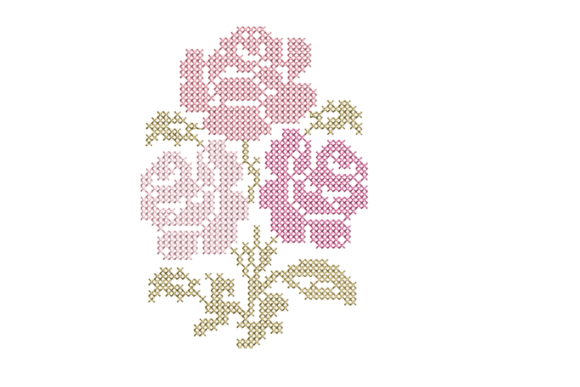
Rose Cross-Stitch Embroidery Design Review
As an embroidery designer who manages a queue of custom orders for personalized gifts, I approach every new machine embroidery design with a critical eye. It is not enough for a digitized file to look beautiful on a computer screen; it must perform flawlessly under the needle and result in a product that justifies its price tag. Recently, I tested the Rose Cross-Stitch Embroidery Design to determine if it belongs in my permanent collection for client work. Inspired by classic floral art, this pattern promises a romantic and timeless aesthetic. After running test stitches and planning potential product lines, here is my professional assessment for fellow makers, Etsy sellers, and gift shop owners considering this addition to their inventory.
First Impressions: Classic Charm Meets Modern Digitizing
Upon loading the embroidery file, the immediate impression is one of elegance. The Rose Cross-Stitch Embroidery Design captures the essence of traditional needlework while utilizing modern digitizing techniques to ensure clean registration. The mood is undeniably sweet yet sophisticated, avoiding the overly cartoonish look that plagues some floral graphics. It feels genuinely handmade, which is a massive selling point for customers seeking authentic personalized gift items.
The detail level is impressive without being dense. As a designer, I appreciate that the cross-stitch simulation maintains clarity at various sizes. The emotional appeal is strong; roses are universally recognized symbols of love, making this design versatile for everything from anniversary celebrations to welcoming a new baby. It strikes a difficult balance between vintage nostalgia and contemporary cleanliness, making it suitable for both heirloom projects and everyday handmade product listings.
Best Applications for Personalized Gifts
When planning my production schedule, I categorize designs by their end-use. The Rose Cross-Stitch Embroidery Design has proven exceptionally adaptable across several high-demand categories in my shop.
- Baby Embroidery: This is perhaps the strongest use case. The soft, textured look of cross-stitch pairs beautifully with nursery decor. I envision this on crib sheets, receiving blankets, and fabric wall hangings. For baby embroidery, the design’s lack of sharp edges or heavy backing makes it safe and comfortable against sensitive skin.
- Wedding Gift Keepsakes: Roses are a staple for weddings. This design elevates simple linen ring pillows, guest book covers, and champagne flute bags. Because it mimics hand-stitching, it adds significant perceived value to wedding gift items, allowing sellers to charge a premium over standard satin-stitch florals.
- Home Textiles: Kitchen towels and aprons are steady sellers year-round. The Rose Cross-Stitch Embroidery Design works wonderfully on flour sack towels where the fabric texture complements the stitch style. An embroidered towel featuring this rose pattern feels like a boutique find rather than a mass-produced trinket.
- Pillow Covers and Totes: For home decor and accessories, the design scales up well. A pillow cover centered with this rose motif creates a focal point that anchors a room’s color scheme. Similarly, canvas tote bags benefit from the sturdy nature of cross-stitch simulation, which holds up well to wear.
Critical Considerations for Fabric and Placement
While versatile, no digital embroidery file is immune to physics. During my testing phase, I identified specific scenarios where caution is required to maintain quality standards.
Fabric Texture and Stability
Cross-stitch simulation relies on precise grid alignment. If you are stitching on highly textured fabrics like terry cloth or plush fleece, the "cross" effect can get lost in the pile. For thick towels, always use a water-soluble topping to keep the stitches visible and crisp. Conversely, on stretchy baby clothes or jersey knits, the structured nature of this design can cause puckering if the stabilizer choice is inadequate. I recommend a cut-away stabilizer for any stretch garments to prevent distortion during washing.
Sizing and Small Details
Although the design scales, there is a lower limit. Reducing the Rose Cross-Stitch Embroidery Design too much will cause the simulated cross-stitches to merge, resulting in a muddy blob rather than distinct pixels. Always check your hoop size and minimum dimensions before committing to small placements like shirt cuffs or pocket corners. Additionally, be wary of placing this design on curved surfaces like caps; the flat grid structure of cross-stitch does not wrap around curves as forgivingly as satin stitches.
Color Contrast and Washing
For products requiring frequent washing, such as bibs or kitchen linens, verify your thread colors are colorfast. Light pink threads on dark fabric can sometimes show shadowing if the underlay isn't optimized. I strongly advise testing on scrap fabric first. Furthermore, consider the background fabric color; this design pops best on light or neutral backgrounds where the shading of the rose petals can be fully appreciated.
Enhancing Perceived Value and Customer Trust
In the competitive world of commercial embroidery and online marketplaces, presentation is everything. The Rose Cross-Stitch Embroidery Design positively impacts buyer engagement because it photographs exceptionally well. The matte finish typical of cross-stitch threads reduces glare in product photos, making your listing images look professional and warm.
Customers associate this stitch style with patience and craftsmanship. When an Etsy seller uses this design, it signals a dedication to aesthetic quality that builds trust. It transforms a simple item into a keepsake. For those selling finished products, highlighting the "timeless" and "classic" nature of the rose pattern in your description helps justify higher price points. It appeals to buyers looking for meaningful gifts rather than disposable goods.
Practical Notes for Makers Before Selling
Before adding this design to your live shop or accepting a custom order, please adhere to these professional best practices:
- Verify Licensing: Always confirm the commercial licensing terms included with your purchase. Ensure you have the right to sell finished products created with this specific digital embroidery file.
- Test Stitch Density: Run a sample on the exact fabric you intend to use. Check the back of the embroidery; excessive density can make a baby blanket stiff or a towel bulky. Adjust pull compensation if necessary.
- Create Printable Mockups: Use a printable mockup template to show clients how the rose placement will look on their chosen item before hooping. This reduces waste and increases customer satisfaction.
- Check Thread Compatibility: Different thread brands reflect light differently. Test your specific brand to ensure the rose shading looks dimensional rather than flat.
- Document Your Settings: Keep notes on which stabilizer and needle type worked best for each fabric. This consistency is key to maintaining quality across multiple orders.
The Rose Cross-Stitch Embroidery Design is a valuable asset for any embroidery business focused on sentimental and high-quality goods. Its blend of classic artistry and reliable digitizing makes it a standout choice for creators who want their work to be cherished. By respecting the technical requirements and leveraging its emotional resonance, you can create stunning pieces that delight customers and grow your brand.