Floral Basket Machine Embroidery Pattern Review
As a professional digitizer and product reviewer, I approach every new machine embroidery design with a critical eye. It is not enough for a digital file to look pretty on a screen; it must perform under the needle and add tangible value to the final product. When evaluating this Floral Basket Machine Embroidery Pattern, my primary focus is on how the woven texture interacts with the delicate pastel florals and whether the decorative bow maintains structural integrity during stitching. This review breaks down the practical realities of using this design for commercial and personal projects, moving beyond basic descriptions to real-world application.
First Impressions and Visual Balance
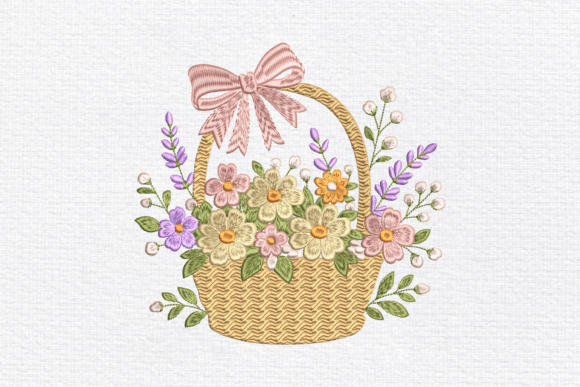
The immediate strength of this Floral Basket Machine Embroidery Pattern lies in its composition. In the Floral Garden category, basket designs often suffer from being too bottom-heavy or having flowers that appear disconnected from the container. This design avoids those pitfalls. The visual weight is well-distributed, creating a centered focal point that works beautifully on symmetrical items like pillow covers or tote bags. The transition between the basket weave and the botanical elements feels organic rather than segmented.
From a digitizing perspective, the interplay of stitch types is crucial here. A successful basket requires a convincing texture, usually achieved through specialized fill stitch patterns or textured tatami fills. Simultaneously, the pastel flowers demand smooth coverage without excessive bulk. If the stitch density is too high where the flowers meet the basket rim, you risk puckering or needle breaks. My initial assessment suggests this design balances these densities well, but as with any embroidery file, verifying the jump stitch sequence and trim counts before production is essential to ensure efficiency.
Real-World Application: The Custom Tote Bag Test
To truly evaluate this pattern, I mentally placed it in a specific production scenario: creating a premium canvas tote bag design for a spring boutique collection. Tote bags are a staple for Etsy sellers and craft business owners because they offer a large, flat stitching area that showcases detail. However, canvas is unforgiving regarding registration errors.
In this context, the Floral Basket Machine Embroidery Pattern serves as an excellent centerpiece. The decorative bow adds a touch of dimensionality that elevates the item from a simple graphic to a handmade product with perceived value. For a small shop product, this level of detail justifies a higher price point compared to generic clip-art style embroidery. The pastel palette specifically targets the spring and summer demographic, making it ideal for seasonal inventory planning. When stitched on natural cotton canvas, the soft thread colors should provide enough contrast to be visible without looking garish, maintaining that elegant aesthetic promised in the description.
Apparel and Wearable Considerations
Moving from home decor to custom apparel, the variables change. If you intend to use this for sweatshirt embroidery or baby embroidery, fabric stability becomes the priority. Knits stretch; woven baskets do not. When applying this design to a sweatshirt, the rigid structure of the basket can cause tunneling if the stabilizer choice is incorrect. I recommend testing on scrap knit fabric first. You may need to adjust the underlay or use a heavier cut-away stabilizer to support the basket’s fill stitches while allowing the surrounding garment to retain its drape.
For baby clothes, safety and comfort are paramount. Check the back of the design after stitching. If the basket weave uses dense satin columns or heavy fill, the reverse side might be abrasive against sensitive skin. Using a soft backing or fusible interfacing over the embroidered area can mitigate this. Always confirm that the thread colors used are colorfast and safe for infant wear, especially since pastel dyes can sometimes bleed if not properly set.
Navigating Fabric Textures and Hoop Limitations
Not every substrate is suitable for this Floral Basket Machine Embroidery Pattern. While it shines on stable fabrics like denim, canvas, and quilting cotton, caution is required elsewhere.
- Textured Fabrics: On terry cloth or fleece, the fine details of the basket weave and flower petals may get lost. Consider using a water-soluble topping to keep the stitches above the pile, or opt for a simpler version of the design if available.
- Stretchy Fabrics: As mentioned with sweatshirts, high-stretch materials fight against structured designs. Ensure your hooping technique is drum-tight without distorting the grain line.
- Dark Fabrics: Pastel threads on black or navy can look chalky or require excessive stitch layers to achieve opacity. This increases density and stiffness. Test on a dark swatch first; you may prefer to swap the basket to a darker shade while keeping the flowers pastel for better contrast.
- Small Hoop Sizes: Resizing this design down significantly can compromise the basket weave definition. Satin stitches may become too narrow, and fill stitches may lose their texture. Always check the minimum recommended size in the digital embroidery file metadata.
Commercial Viability and Professional Presentation
For commercial embroidery ventures, consistency is key. This Floral Basket Machine Embroidery Pattern has strong potential for brand cohesion across multiple products. Imagine offering a matching set: a tea towel, an apron, and a pot holder featuring the same motif. This creates a recognizable signature style for your shop. However, before listing any finished product, you must verify the licensing terms of the embroidery project. Ensure you have the right to sell physical items embroidered with this design, and double-check restrictions on selling the digital file itself.
When creating listings, utilize printable mockups to show customers how the design looks on different backgrounds before you commit to stitching samples. This saves time and materials. However, nothing builds customer trust like a photo of the actual stitched result. Show close-ups of the basket texture and the bow. Highlighting these details proves quality and helps buyers visualize the personalized gift potential. Whether it is for a wedding favor, a Mother’s Day present, or a housewarming token, seeing the tactile reality of the embroidery confirms professionalism.
Designer Notes for Optimal Results
Before running this design on a final product, adhere to these professional best practices:
- Test Stitch: Never skip this step. Use a fabric similar to your final project to check for registration issues between the basket and flowers.
- Stabilizer Audit: Match the stabilizer to the fabric weight, not just the design size. A complex basket design needs foundational support.
- Thread Contrast Check: View your thread selection in natural light. Pastels can shift dramatically between indoor lighting and daylight.
- Review File Data: Open the embroidery file in your software to inspect stitch count and color changes. Confirm the design fits your specific machine’s hoop size capabilities.
- Mockup Validation: Compare light and dark background mockups to determine which showcases the design best for your target audience.
- Licensing Confirmation: Document your commercial usage rights to protect your business assets.
Final Verdict on Usability
The Floral Basket Machine Embroidery Pattern represents a versatile asset for makers who value traditional aesthetics with modern execution. Its charm lies in the balance of structure and softness, making it adaptable for everything from nursery decor to boutique apparel. By respecting the technical requirements of the basket weave and carefully selecting compatible fabrics, you can transform this digital file into high-value, sellable goods. Remember that successful Embroidery is a partnership between good digitizing and smart production choices. Treat this design with the technical attention it deserves, and it will serve as a reliable cornerstone for your floral product lineup.