Boho Pink Daisy: A Craft Fair Seller’s Review
As an embroidery designer preparing for a weekend craft fair, my selection process is ruthless. I cannot afford to hoop designs that look muddy from three feet away or take forty minutes to stitch on a single tea towel embroidery project. When evaluating the Boho Pink Daisy for my upcoming market booth, I am looking at more than just a pretty digital file; I am assessing a potential bestseller. This machine embroidery design promises a soft, feminine touch, but does it translate to sales in a bustling handmade market? Here is my professional assessment of this botanical motif for commercial production and retail success.
First Impressions: Soft Femininity with Market Appeal
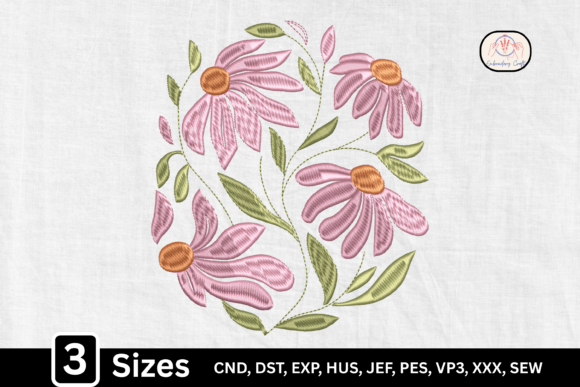
The immediate visual impact of Boho Pink Daisy is undeniably soft and romantic. In the category of Single Flowers Plants, many designs lean toward either stiff realism or overly cartoonish clip art. This design strikes a necessary balance for modern buyers. It feels elegant yet approachable, fitting perfectly into the current trend of cottagecore and gentle bohemian aesthetics. For a craft fair table, this is crucial. Customers are drawn to items that evoke a feeling of comfort and nostalgia. The pink tones suggest warmth without being aggressively bright, making it versatile enough to appeal to both younger demographics seeking trendy decor and older customers looking for classic floral accents. It reads as premium rather than generic, which justifies a higher price point on finished goods.
Product Performance Across Booth Inventory
A successful craft fair product must be adaptable. I have evaluated Boho Pink Daisy across multiple substrates to determine where it generates the highest perceived value.
- Tote Bag Design: This is arguably the strongest application. Canvas tote bags are high-margin sellers at markets. The organic lines of the daisy complement the natural texture of unbleached canvas or linen. As a centered focal point or an off-set pocket accent, it transforms a utility item into a fashion statement.
- Apron Embroidery: For kitchenware, this design adds a boutique feel. Unlike dense, complex crests that can make an apron look like a uniform, Boho Pink Daisy maintains a light, airy quality. It works beautifully on bibs or lower pockets, appealing to home cooks who want functional gear that still looks beautiful.
- Tea Towel Embroidery: Flour sack towels are a staple for Etsy seller inventory and physical booths. The botanical nature of this design pairs exceptionally well with waffle weave or cotton terry. It photographs cleanly for listings and looks substantial in person without weighing down lightweight fabric.
- Embroidered Patch: Because the shape is distinct and self-contained, this artwork translates well to patches. Patches are excellent low-cost add-ons at checkout. The boho style allows for interesting border treatments, such as raw edges or merrowed borders in coordinating pinks.
- Fabric Pouches and Pillow Covers: For giftable handmade items, the design scales effectively. On small zipper pouches, it serves as a delicate centerpiece. On pillow covers, it can be used as a corner accent or repeated to create a custom pattern, maximizing the value of a single digital embroidery file.
Production Practicality and Batch Efficiency
Beauty matters, but profitability keeps the business running. When reviewing Boho Pink Daisy for batch production, I consider the logistics of hooping and stitching. The design appears optimized for visibility at a glance, which is essential when customers are walking past a booth quickly. Complex shading often gets lost in outdoor lighting or dim indoor venues, but the solid color blocks and clear outlines typical of boho florals tend to hold up better visually.
From a production standpoint, floral designs in this style usually offer efficient stitch paths. Assuming the digitizing is clean, I anticipate fewer trims and jumps compared to realistic botanical illustrations. This efficiency is vital when producing twenty tea towels or fifteen caps before a show. The design also lends itself to easy thread changes. Using standard pink and green threads means I do not need to source specialty variegated threads, keeping material costs predictable. Furthermore, because the aesthetic is timeless rather than hyper-seasonal, unsold inventory from this weekend’s fair can carry over to spring markets or remain relevant in an online shop year-round.
Critical Use Notes for Professional Results
Even the most beautiful embroidery file has limitations. Based on my experience with similar botanical motifs, here are specific cautions for using Boho Pink Daisy commercially:
- Dense Stitch Areas: Check the center of the flower. If the digitizer used heavy satin stitches or dense fills for the daisy center, test on scrap fabric first. Dense centers can cause puckering on lightweight tea towels or cause needles to break on thick canvas tote bags. You may need to adjust tension or use a lighter stabilizer.
- Fabric Texture Interaction: While this design is versatile, highly textured fabrics like terry cloth or waffle weave can swallow fine details. If the petals have thin outline stitches, they may disappear into the pile. Always use a water-soluble topping on textured surfaces to keep the stitches crisp and visible.
- Curved Surfaces: If applying this to caps, verify the distortion settings. Flat floral designs can warp awkwardly on curved brims. Ensure your hoop size and cap frame are compatible, and consider resizing slightly if the design height exceeds safe curvature limits.
- Dark Fabric Contrast: The "pink" description implies mid-to-light tones. On dark navy or black backgrounds, ensure there is sufficient contrast. You may need to add a white underlay or outline to prevent the pink from vibrating against the dark background, which causes eye strain and reduces visual clarity.
- Small Lettering and Details: If the design includes any text or tiny stamens, avoid scaling down below the recommended minimum size. Small details are the first to fail during wash testing. Prioritize legibility over exact scale matching for small shop product tags or labels.
Enhancing Brand Value and Buyer Engagement
Incorporating Boho Pink Daisy into my lineup does more than fill empty shelf space; it strengthens brand consistency. Customers return to makers whose work has a recognizable voice. By anchoring my collection with cohesive botanical themes, I signal professionalism and intentionality. This design specifically targets the emotional buyer—someone purchasing a gift for a mother, a teacher, or themselves. The softness of the pink daisy triggers a positive emotional response that purely geometric or typographic designs sometimes miss.
For online sales, this design is highly photogenic. It creates excellent printable mockup opportunities because the colors are universally flattering and the subject matter is instantly recognizable. High-quality photos of this design on neutral backgrounds perform well in search algorithms for terms like "floral embroidery" and "boho gift." At the physical booth, having samples in various stages (e.g., a finished bag next to a hoop showing the design in progress) educates customers on the labor involved, reinforcing the value of the handmade product.
Designer Checklist Before Production
Before I commit Boho Pink Daisy to a full production run, I complete this mandatory checklist to protect my reputation and profit margins:
- Test Stitch-Out: Never skip this. Run the design on the exact fabric and stabilizer combination intended for sale. Inspect registration, density, and trim counts.
- Thread Color Verification: Compare physical thread cones against the screen preview. Screen colors are deceptive. Ensure the pinks harmonize with each other and the greens are not too neon unless intentional.
- Hoop Size Confirmation: Verify the design fits comfortably within my available hoops with adequate margin for clamping. Re-hooping mid-design increases error risk.
- Licensing Review: Confirm the commercial embroidery license permits selling finished products. Some designers restrict mass production or require attribution. Respect these terms to avoid legal issues.
- Mockup Creation: Create at least one real-life photo and one digital mockup for Etsy listings before the fair. This ensures I have marketing assets ready immediately post-production.
- Wash Test: Wash and dry one sample to check for shrinkage, color bleeding, or stitch distortion. Customers expect durability, especially for kitchen and bag items.
Boho Pink Daisy represents a strong opportunity for makers who understand their audience. It bridges the gap between trendy and timeless, offering flexibility across multiple product categories while maintaining a distinct, sellable aesthetic. By approaching this design with technical diligence and strategic product placement, it can become a cornerstone of a profitable craft fair season and a lasting asset in any design assets library. Always remember to verify specific file details, stitch counts, and licensing terms directly from the source before beginning your own production journey.