Beautiful Wildflowers Embroidery Design Review
As a professional embroidery digitizer and product reviewer, I approach every new machine embroidery design with a critical eye. It is not enough for a digital file to look pretty on a screen; it must perform under the needle and translate into a high-quality finished product. When evaluating the Beautiful Wildflowers Embroidery Design, my primary focus was on how well it captures that elusive "meadow" aesthetic without sacrificing structural integrity during the stitching process. This review breaks down my practical experience testing this design for real-world applications, from custom apparel to boutique home goods.
Capturing the Meadow Aesthetic in Thread
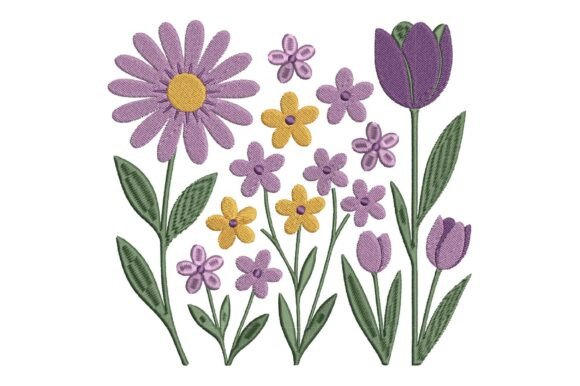
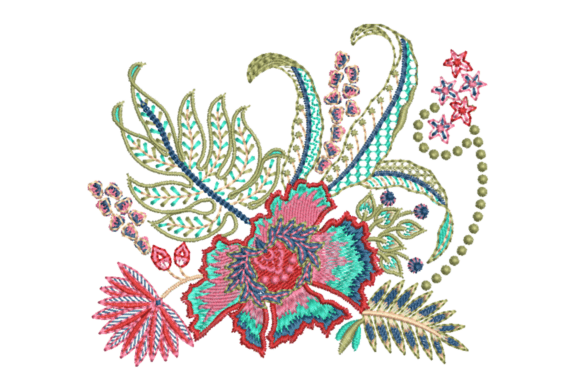
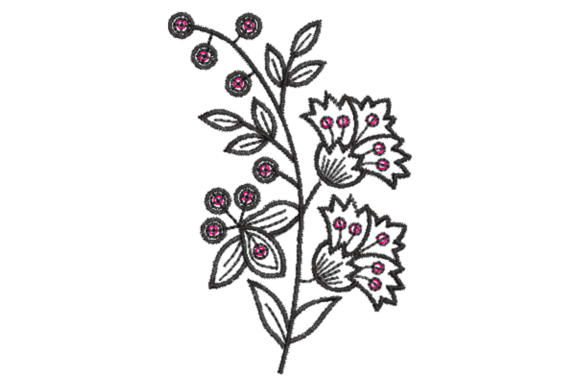
The first impression of the Beautiful Wildflowers Embroidery Design is one of organic movement. In the Single Flowers Plants category, many designs suffer from being too rigid or symmetrical, resulting in a stiff appearance that lacks natural charm. However, this design successfully mimics the way wildflowers actually grow: with flowing stems and asymmetrical blooms. The layout suggests a gentle breeze rather than a static botanical illustration.
From a digitizing perspective, the balance between fill stitch areas and running stitch details is crucial here. The soft blooms rely on lighter density fills to maintain that delicate texture, while the stems utilize precise satin or running stitches to define the shape without creating excessive bulk. This visual personality makes the design feel like a premium handmade product rather than mass-produced clip art. For an Etsy seller or maker, this distinction is vital because customers are increasingly seeking items that feel authentic and artistically considered.
Real-World Application: Stitching a Custom Tote Bag
To truly test the viability of this embroidery file, I moved beyond the software and loaded it onto a canvas tote bag design project. Totes are a staple for any craft business or small shop product line, but they present specific challenges due to the coarse weave of canvas and the need for durability.
During the stitching process, I observed how the design handled the fabric texture. The Beautiful Wildflowers Embroidery Design performed admirably because the stitch paths were logical, minimizing unnecessary jumps and trims. This efficiency is key when producing commercial embroidery runs where time equals money. The floral elements sat flat against the canvas without puckering, provided the correct stabilizer was used. I opted for a medium-weight cutaway stabilizer to support the stitch density of the flower centers while allowing the finer stem details to remain crisp.
The final result was a tote bag that felt balanced. The design did not overwhelm the negative space, nor did it get lost in the fabric grain. For a personalized gift or a branded merchandise item, this scale and clarity inspire buyer confidence. It looks intentional and professional, which directly impacts perceived value.
Fabric Compatibility and Technical Considerations
While this design shines on stable fabrics like canvas, linen, and denim, creators must exercise caution when applying it to other materials. As an experienced reviewer, I must highlight where this digital embroidery file requires adjustment or specific preparation.
- Stretchy Fabrics: If you are planning sweatshirt embroidery or working with jersey knits, the flowing nature of the wildflowers can distort if the garment shifts. You must use a fusible backing or adhesive spray in conjunction with your stabilizer to lock the fabric fibers in place before stitching.
- Sheer and Lightweight Fabrics: For baby embroidery projects or delicate tea towels, check the stitch density carefully. If the design includes heavy fill areas intended for thicker fabrics, it may cause tearing or stiffness on lightweight cottons. Always run a test stitch-out on scrap fabric first.
- Curved Surfaces: While beautiful, the vertical flow of this design may not be suitable for structured caps unless resized significantly. The curvature of a hat can distort straight stems, making them appear bent unintentionally.
- Dark Fabrics: The delicate charm of these wildflowers relies on color contrast. On dark backgrounds, ensure your thread colors are vibrant enough to stand out. Pastel threads on black fabric will disappear; consider using cream, gold, or bright white outlines to define the shapes.
Commercial Viability for Makers and Sellers
For creative entrepreneurs, the Beautiful Wildflowers Embroidery Design offers significant versatility. It fits seamlessly into current market trends favoring cottagecore, botanical, and slow-fashion aesthetics. However, success depends on proper placement and presentation.
When creating printable mockups or listing photos, avoid placing the design in areas that will be obscured by seams, pockets, or folds. For custom apparel, positioning the wildflowers slightly off-center or cascading from a shoulder seam often yields a more modern, high-end look than traditional center-chest placement. This thoughtful styling signals to buyers that you understand design principles, enhancing your brand consistency.
If you are selling design assets or finished embroidered goods, always verify the licensing terms associated with this specific file. Confirm whether you have rights for commercial use, especially if you plan to sell the digitized file itself versus the physical embroidered item. Protecting your business starts with respecting intellectual property and ensuring your embroidery project is legally compliant.
Essential Pre-Stitch Checklist for Best Results
Before committing this design to a final product, I recommend every maker follow this practical checklist. These steps separate hobbyist results from professional-grade output.
- Verify Hoop Size: Ensure the design dimensions fit comfortably within your machine’s maximum sewing field with adequate margin for the hoop grip. Never force a design to the absolute edge of the hoop size limit.
- Test Stitch Density: Run a sample on your intended fabric. If the fabric pulls or the design feels like armor, the density is too high for that material. If gaps appear between stitches, the density may be too low.
- Check Thread Contrast: View your thread selection in both natural daylight and indoor lighting. Colors shift dramatically between environments, and what looks good on a monitor may look muddy in person.
- Inspect Small Details: Zoom in on the smallest leaves or petal tips in your software. If they are smaller than 1mm, they may not stitch cleanly. Consider editing out microscopic details that add complexity without visual payoff.
- Wash Test: If creating items like aprons, kitchen towels, or baby clothes that require frequent laundering, wash your test swatch. Some complex floral designs can fray or lose definition after aggressive cycles if not properly stabilized.
Final Verdict on Design Performance
The Beautiful Wildflowers Embroidery Design is a strong contender for makers who value organic aesthetics and technical reliability. Its strength lies in its ability to evoke a peaceful countryside landscape through intelligent digitizing that respects the limitations of thread and fabric. Whether you are embellishing a holiday embroidery gift, expanding your Etsy seller catalog, or creating a signature piece for your boutique, this design provides a solid foundation.
However, its success ultimately depends on your willingness to adapt it to your specific substrate. Treat it as a collaborative partner in your creative process rather than a plug-and-play solution. By paying attention to stabilization, fabric choice, and color theory, you can transform this embroidery file into a stunning, sellable asset that resonates with customers looking for genuine craftsmanship. Always remember that the most beautiful design is one that survives the transition from screen to fabric with its integrity intact.