Baby Bird Floral Border: A Designer’s Review
As a professional embroidery designer running a personalized gift shop, I am constantly evaluating new digital assets to ensure they meet the high standards my customers expect. When planning inventory for the upcoming season of baby showers and spring weddings, the Baby Bird Floral Border caught my attention immediately. This machine embroidery design promises a soft, charming aesthetic perfect for children’s items and nursery textiles. Before adding any new embroidery file to my commercial library, I run it through a rigorous testing process. Here is my honest review of how this design performs in a real-world production environment and why it has earned a spot in my custom order lineup.
First Impressions: Mood and Emotional Appeal
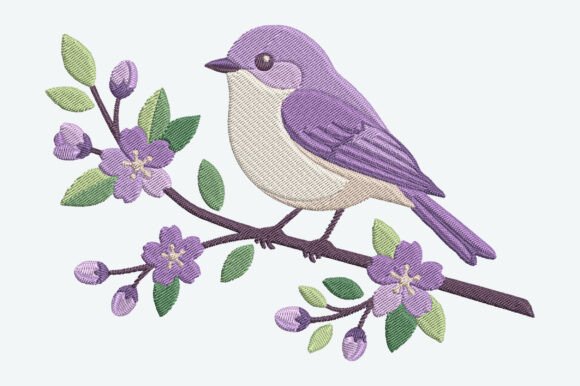
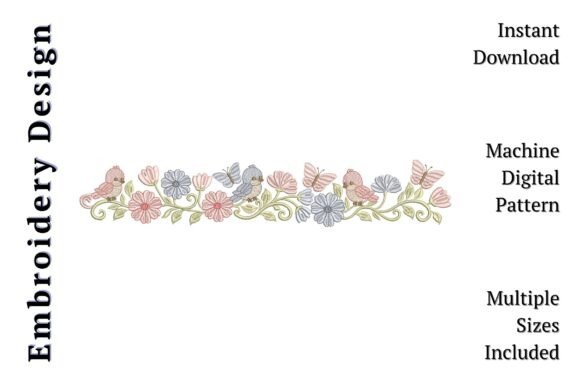
The first thing that strikes you about the Baby Bird Floral Border is its undeniable sweetness. In the world of custom embroidery, emotional connection is just as important as technical precision. This design captures a classic, timeless innocence that appeals directly to parents, grandparents, and gift-givers looking for something sentimental. The interplay between the small birds and the floral elements creates a balanced composition that feels handmade rather than mass-produced.
Unlike overly cartoonish bird designs that can look dated, this border maintains an elegant simplicity. It reads as both playful and refined, making it versatile enough for a newborn’s blanket embroidery or a bride’s wedding gift. For Etsy sellers and small shop owners, this duality is crucial. You want a design that can transition from a baby shower keepsake to a romantic anniversary present without needing significant modification. The charm lies in the delicate details, suggesting a level of care that boosts the perceived value of the finished product.
Real-World Application: From Digital File to Finished Product
To truly understand the potential of the Baby Bird Floral Border, I tested it across three distinct categories relevant to my business: nursery textiles, functional gifts, and wedding accessories. Each application revealed different strengths of the design.
Nursery Textiles and Baby Embroidery
I stitched this border onto a pastel cotton muslin blanket intended for a custom nursery order. The design served as a beautiful frame for a personalized name in the center. Because the motif is a border, it naturally guides the eye toward the middle of the fabric, making it ideal for monograms or birth stats. The soft lines complemented the gentle texture of the muslin without overwhelming it. For makers focusing on baby embroidery, this design offers a safe, gender-neutral option when specific themes haven't been requested by the client.
Functional Gifts and Embroidered Towels
Personalized gifts often need to be practical. I tested the Baby Bird Floral Border on a flour sack towel for a kitchen gift set. Borders are notoriously tricky on towels due to pile and texture, but this design held up well. The floral elements provided enough coverage to anchor the design, while the negative space prevented the towel from becoming stiff. This makes it an excellent candidate for craft fair products where buyers want something usable yet decorative. An embroidered towel featuring this border communicates "handmade quality" instantly, distinguishing it from generic store-bought linens.
Wedding Keepsakes and Pillow Covers
For a more mature application, I used the design on a linen pillow cover intended as a wedding gift. By shifting the thread colors from pastels to muted sages and creams, the Baby Bird Floral Border transformed into a sophisticated botanical accent. This adaptability is a massive time-saver for digital product sellers and custom embroiderers. Instead of buying separate files for babies and weddings, this single design bridges the gap, maximizing your return on investment.
Technical Considerations and Fabric Limitations
While the Baby Bird Floral Border is charming, experienced makers know that not every design suits every substrate. During my testing, I identified specific scenarios where caution is required to maintain professional results.
- Textured and Thick Fabrics: While it worked on flour sack towels, I would hesitate to use this on thick terry cloth or plush fleece without modification. The delicate details of the birds could get lost in the pile. If you must use it on high-loft fabrics, consider using a water-soluble topper to keep the stitches crisp.
- Stretchy Baby Clothes: Onesies and stretchy knits require careful stabilization. Because this is a border design, any distortion during hooping will be obvious as the line won't sit straight. Always use a cutaway stabilizer and avoid over-stretching the fabric in the hoop.
- Dark Fabrics: The design relies on fine lines and open spaces. On dark navy or black fabric, these details may disappear unless you significantly increase the stitch density or use a light underlay base. Always run a printable mockup or a physical test stitch on dark backgrounds before committing to a customer order.
- Frequent Washing: For items like aprons or baby bibs that face heavy laundering, check the stitch density. If the design is too light, it may fray over time. Ensure your embroidery file includes adequate locking stitches at the start and end of color changes.
Enhancing Giftability and Customer Trust
In the personalized gift market, presentation is everything. The Baby Bird Floral Border enhances giftability because it looks intentional. A simple name on a blanket is nice; a name framed by a thoughtfully stitched border is a heirloom. This distinction builds customer trust. When clients see that you have chosen a design with artistic merit rather than a generic clip-art outline, they perceive you as a skilled artisan.
For online sellers, this design photographs beautifully. The organic shapes and soft aesthetics translate well to social media and listing photos. When creating product photography, pair the embroidered item with natural props like dried flowers or wooden toys to reinforce the handmade narrative. This visual cohesion increases buyer engagement and justifies premium pricing for your custom embroidery services.
Practical Notes for Makers and Sellers
Before you load this embroidery file into your machine for a paid order, please adhere to these best practices derived from my testing experience:
- Verify Specifications: Always confirm the exact stitch count, hoop size requirements, and format compatibility with your specific machine before purchasing or stitching. Never assume a design fits your 4x4 hoop without checking the dimensions first.
- Test on Scrap Fabric: Never stitch a new design directly onto a customer’s expensive item. Use a scrap of similar weight and weave to test tension and stabilizer choice.
- Thread Color Contrast: Review your thread palette against the fabric. Soft variegated threads can add depth to the floral sections, while solid matte threads often work best for the bird details to define their shape.
- Stabilizer Selection: Match your stabilizer to the fabric texture. Tear-away works for stable wovens, but cutaway is non-negotiable for knits and stretchy baby gear.
- Licensing Check: If you plan to sell finished products or the digital embroidery file itself, verify the commercial licensing terms provided by the original digitizer. Respecting intellectual property is essential for maintaining a reputable small business.
- Mockups Matter: Create a printable mockup to show clients exactly how the Baby Bird Floral Border will look on their chosen item. This reduces revision requests and ensures satisfaction.
The Baby Bird Floral Border is more than just a cute graphic; it is a versatile tool for creating meaningful, high-value personalized gifts. Whether you are stocking your Etsy shop with nursery decor or fulfilling a custom wedding order, this design offers the perfect blend of technical reliability and emotional resonance. By understanding its strengths and respecting its limitations, you can elevate your embroidery business and deliver products that customers will cherish for years to come.