Asymmetric Autumn Botanical Frame Review
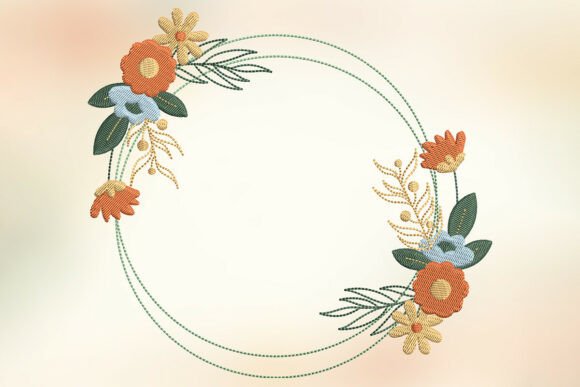
As a professional embroidery designer specializing in commercial branding and merchandise production, I approach every new machine embroidery design with a critical eye toward functionality. When evaluating the Asymmetric Autumn Botanical Frame for small business applications, my primary concern is not just aesthetic beauty, but structural integrity on branded goods. This design offers a sweeping, artistic layout that distinguishes itself from standard circular floral wreaths. For business owners, Etsy sellers, and apparel decorators, this asymmetry provides a modern, organic feel that suggests a premium handmade product rather than mass-produced corporate wear. However, translating this elegant layout into durable small business merch requires careful technical consideration regarding placement, density, and fabric compatibility.
Visual Personality and Brand Identity Impact
The first impression of the Asymmetric Autumn Botanical Frame is one of sophisticated rustic charm. Unlike rigid geometric borders, the uneven distribution of botanical elements creates negative space that feels intentional and high-end. For a boutique, bakery, florist, or creative studio, this visual language communicates warmth and artisanal quality. In terms of brand identity, this design avoids the sterile look of generic stock art. It positions a business as thoughtful and detail-oriented.
When used for custom apparel or packaging accents, the frame acts as a versatile container. The open center allows for the addition of a business name, monogram, or seasonal message without overcrowding the design. This adaptability is crucial for maintaining visual consistency across different assets. Whether applied to a linen apron in a café or a canvas tote bag at a farmers market, the design retains its character while elevating the perceived value of the item. Customers associate this level of decorative complexity with care, which directly influences buyer engagement and trust in handmade brands.
Commercial Applications: From Patches to Uniforms
In real-world commercial embroidery scenarios, the Asymmetric Autumn Botanical Frame performs exceptionally well when matched to the correct substrate. Its organic flow makes it ideal for items where symmetry can sometimes look too formal or stiff.
- Apron Embroidery: This is perhaps the strongest use case. Placing the frame on the upper chest or hip pocket area of a canvas or denim apron creates an immediate focal point. The verticality of the asymmetric stems complements the long lines of an apron better than a wide, horizontal wreath would.
- Tote Bag Design: On natural cotton or linen totes, the botanical elements blend seamlessly with the fabric texture. The design serves as an excellent backdrop for a shop logo, turning a simple utility bag into a desirable piece of event merch or customer gift.
- Embroidered Patch Production: Because the design is a frame, it digitizes beautifully as a merrowed-edge patch. The varying heights of the leaves and branches create a dynamic silhouette that stands out on uniforms, caps, or backpacks. This application is perfect for staff uniforms where direct embroidery might be difficult due to garment construction.
- Product Packaging: For Etsy sellers, stitching this frame onto muslin drawstring bags or fabric tags adds a tangible unboxing experience that digital printing cannot replicate.
Technical Constraints and Placement Warnings
Despite its versatility, the Asymmetric Autumn Botanical Frame presents specific challenges that decorators must navigate. Asymmetry in embroidery files can sometimes lead to balance issues during stitching if the design has not been properly tested. Business owners should be cautious when applying this design to curved surfaces like cap fronts. The sweeping nature of the botanical elements may distort if the cap's curvature fights against the design's natural flow. Always run a test stitch-out on a similar curved surface before committing to bulk cap embroidery production.
Fabric texture plays a massive role in the success of this design. On highly textured fabrics like terry cloth or thick fleece, the delicate details of the autumn leaves may get lost. In these cases, you may need to adjust the stitch density or add a topping stabilizer to ensure the design remains crisp. Conversely, on lightweight performance fabrics, the density of the botanical frame could cause puckering. Proper stabilizer selection is non-negotiable here; a cutaway backing is often required to support the weight of the frame and prevent distortion after washing.
Furthermore, consider the washability of the finished product. If this design is intended for work shirts or aprons that undergo frequent industrial laundering, verify that the thread colors are colorfast and that the stitch structure is robust enough to withstand abrasion. Delicate satin stitches in the leaf veins may need to be reinforced or simplified for heavy-duty commercial use.
Designer Notes for Production Success
Before loading the digital embroidery file into your machine for a client order, adhere to these professional best practices to ensure the Asymmetric Autumn Botanical Frame meets business standards.
- Verify Specifications: Always check the included documentation for exact stitch count, recommended hoop size, and licensing terms. Do not assume the design fits your specific hoop or allows for commercial resale without confirmation.
- Test in Monochrome: Stitch out the design in black thread on white fabric first. This reveals the true structure and spacing without the distraction of variegated autumn colors. If the design reads clearly in black and white, it will succeed in color.
- Evaluate Scaling Limits: Test the design at the smallest size you intend to use for patches or sleeve cuffs. Asymmetric designs can lose their definition when reduced too aggressively. Ensure the negative space remains distinct and the outline does not merge into a solid blob.
- Create Printable Mockups: Before stitching on expensive inventory, generate a printable mockup or digital visualization to show clients how the frame interacts with their specific logo placement. This manages expectations regarding scale and positioning.
- Check Thread Contrast: Autumn palettes often include deep reds, oranges, and browns. Ensure these thread colors provide sufficient contrast against the base garment. A dark rust frame on a chocolate brown apron may look elegant in software but disappear in low-light retail environments.
- Review Licensing: Confirm that your purchase includes rights for commercial merchandise. Some designers restrict usage to personal projects or limit the number of physical items produced from a single embroidery file.
Elevating Merchandise Through Intentional Design
The Asymmetric Autumn Botanical Frame represents a valuable asset for businesses seeking to move beyond basic logo placement. Its artistic composition bridges the gap between traditional craft and modern branding, offering a unique visual signature for cafes, studios, and handmade shops. By respecting the technical requirements of stitch density, stabilization, and fabric choice, decorators can transform this digital file into high-quality merchandise that resonates with customers.
Ultimately, successful brand identity in embroidery is about consistency and execution. This design provides the aesthetic foundation for beautiful products, but it is the maker’s attention to detail that ensures the final result looks professional. Whether you are creating limited-edition fall collections or updating staff uniforms, taking the time to properly test and implement this frame will yield results that reflect the quality of your business. Treat this design not just as decoration, but as a strategic component of your product lineup, and it will serve your brand effectively across multiple seasons and applications.